Casinos Across Cultures: Gambling Traditions from Around the World

Casinos Across Cultures: Gambling Traditions from Around the World
From ancient dice carved from bone to the dazzling lights of Las Vegas, gambling has been part of human life for millennia. The thrill of chance, the hope of fortune, and the social rituals surrounding games of luck are universal—but the ways people gamble vary dramatically across cultures. Each society has shaped its own traditions, symbols, and meanings around the act of betting. Let’s take a journey through the world’s gambling cultures and see what they reveal about us as humans.
From Ancient Temples to the Neon Glow of Las Vegas
Archaeologists have found some of the earliest gambling artifacts in Mesopotamia and Egypt, where people used knucklebones as primitive dice. In ancient China, games of chance were not only entertainment but also a way to divine the future. Early lotteries there inspired later games like keno.
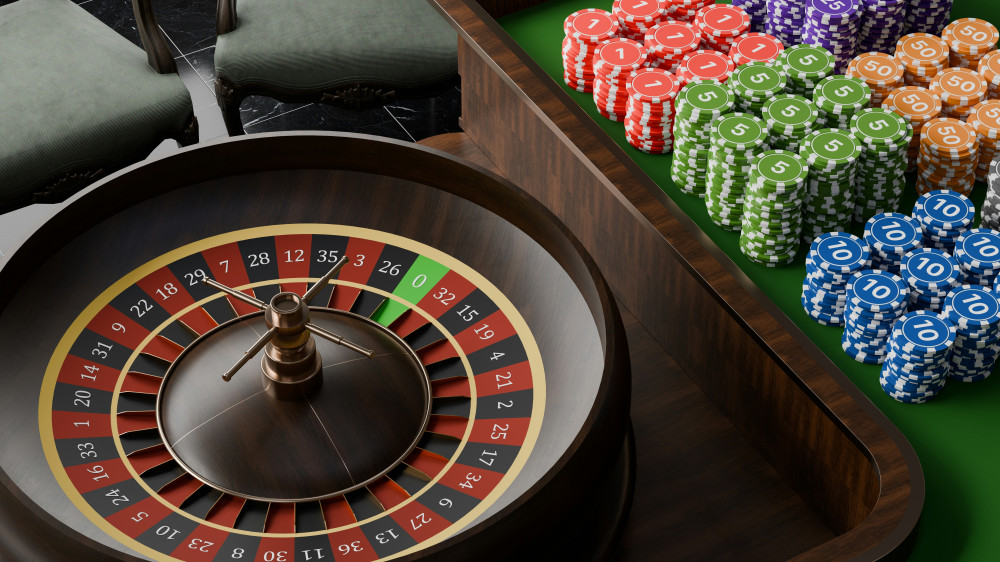
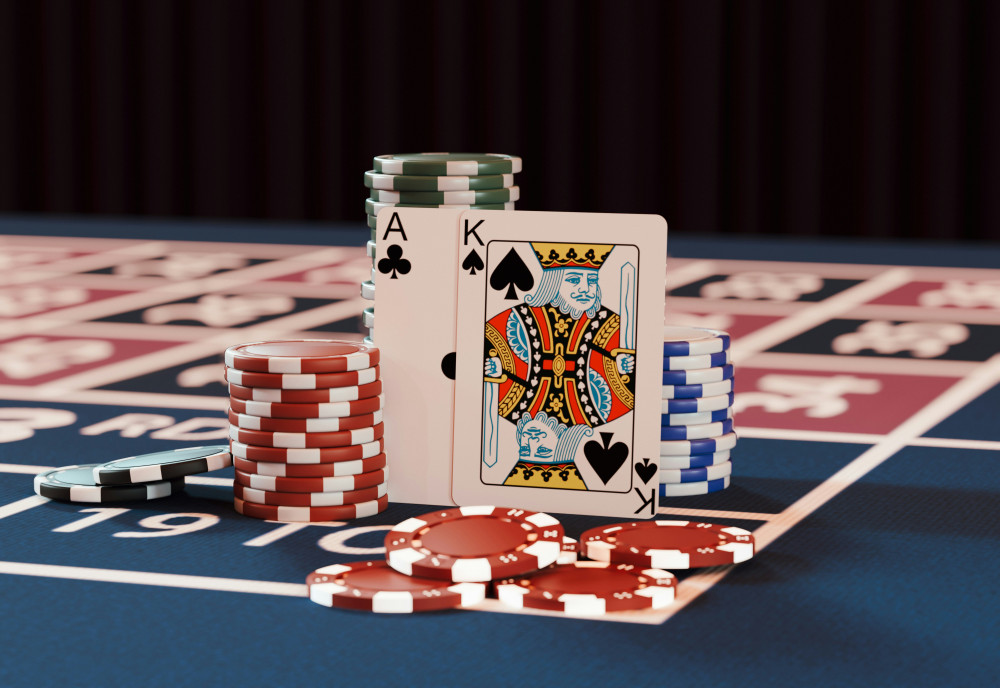
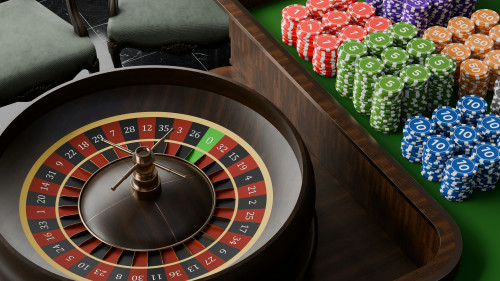
Europe’s gambling story began in the Renaissance, when the first organized casinos appeared in Italy. The word casino originally meant “little house”—a place for the elite to gather, play cards, and socialize. From Venice, the idea spread to France and beyond, giving rise to games like roulette and baccarat, which became symbols of sophistication and risk.
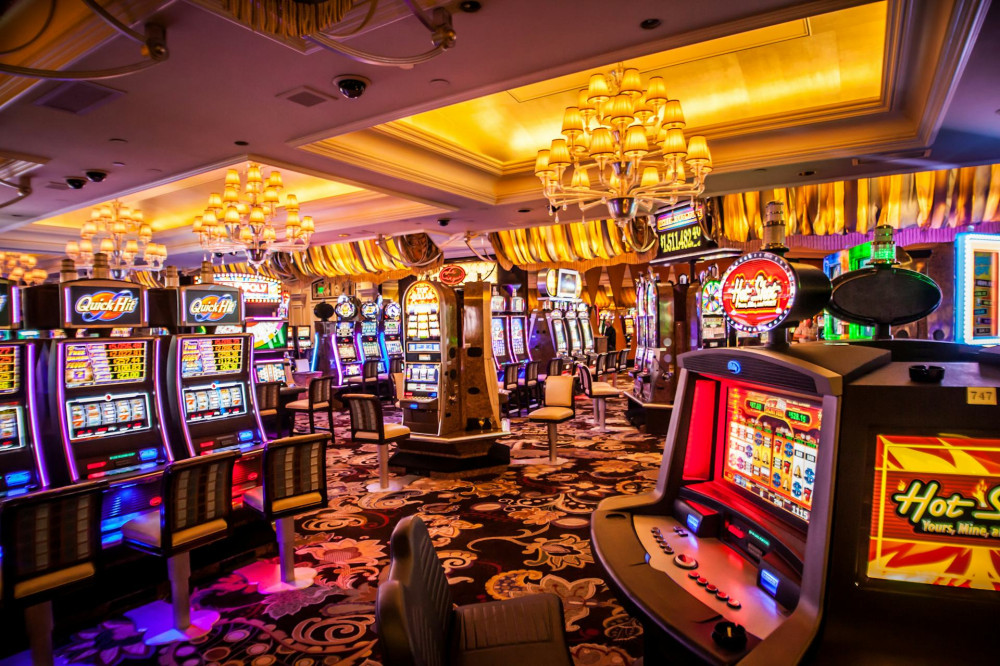
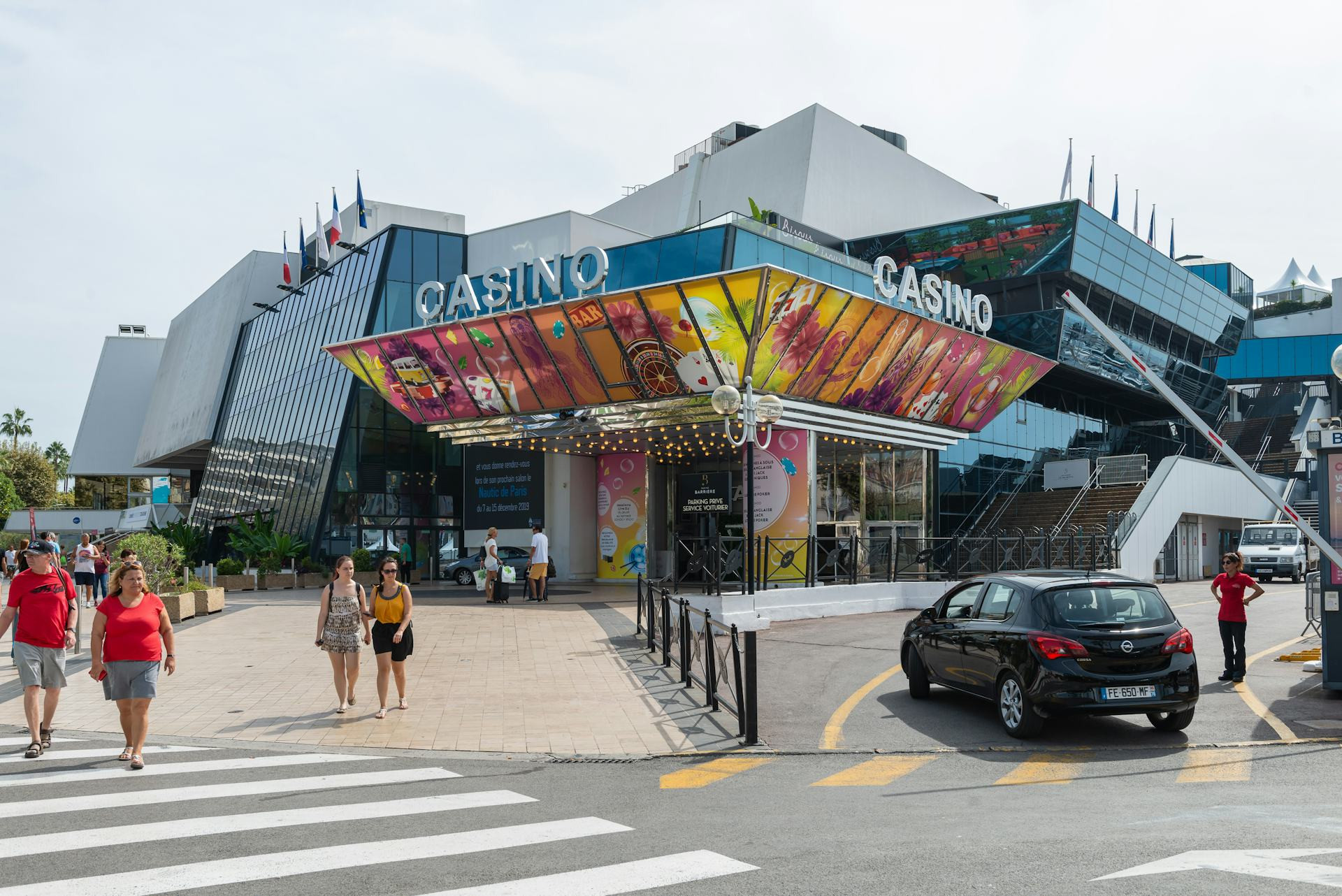
Today, Las Vegas and Macau stand as the twin capitals of global gambling—each reflecting its own cultural DNA. Las Vegas embodies showmanship, freedom, and excess, while Macau’s gaming culture is steeped in Chinese traditions of luck, fate, and ritual.
Asia: Luck, Symbolism, and Social Bonds
In many Asian cultures, gambling is deeply intertwined with superstition and symbolism. Colors, numbers, and rituals can influence when and how people play.
- China: Games like mahjong and sic bo have ancient roots. Mahjong, often played during Lunar New Year, is as much about social connection and strategy as it is about money. The number 8 is considered especially lucky because it sounds like the word for “wealth.”
- Japan: The game pachinko is a national obsession—a cross between a pinball machine and a slot game, played in noisy, brightly lit halls. While gambling for cash is technically restricted, pachinko parlors have found creative ways to operate within the law.
- India: Gambling has long been part of Indian mythology and religion. In the epic Mahabharata, a fateful dice game changes the hero’s destiny, symbolizing life’s unpredictability. Today, card games like teen patti remain popular during festivals and family gatherings.
Europe: From Aristocratic Salons to Modern Casinos
In Europe, gambling has always carried a dual identity—both as refined entertainment and as a test of skill and composure. In 18th-century France, card games like baccarat and vingt-et-un (the forerunner of blackjack) were favored by the upper classes, who valued elegance and restraint as much as winning.
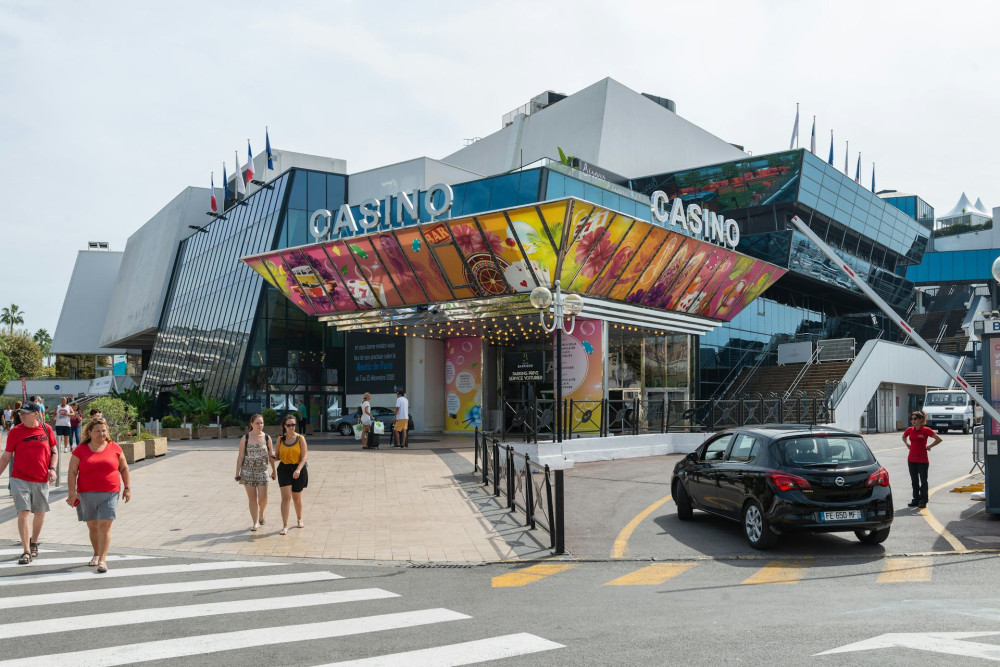
Modern European casinos in Monte Carlo, London, and Baden-Baden still evoke that old-world glamour. Yet online gaming has democratized access, allowing anyone to experience the thrill once reserved for the elite. European gambling often emphasizes strategy and control, contrasting with the ritualistic and symbolic approach found in much of Asia.
The Americas: From Frontier Saloons to Casino Empires
In the United States, gambling has always been tied to the spirit of opportunity and reinvention. In the 19th-century Wild West, poker and card games were staples of saloon life, offering miners, soldiers, and drifters a chance to test their luck—and their nerve.
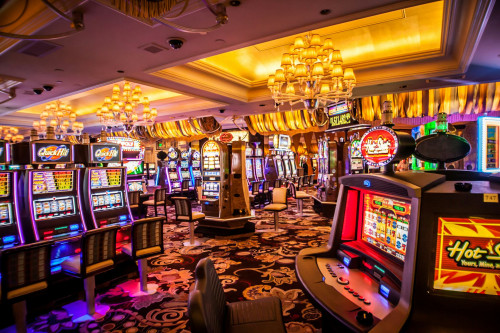
By the mid-20th century, Las Vegas had transformed that frontier spirit into a spectacle of neon and possibility. Casinos became places where anyone could dream big, where a single roll of the dice might change a life. Today, Las Vegas and Atlantic City face competition from online platforms and tribal casinos, but the allure of “the big win” remains a defining part of American culture.
Across Latin America, gambling traditions blend European influences with local flair. In Mexico, for example, lotería—a colorful bingo-like game—has long been a family pastime, mixing chance with art and storytelling.
Africa and the Middle East: Balancing Tradition and Modernity
In many African societies, traditional games like mancala have been played for centuries, emphasizing strategy, community, and storytelling rather than money. In recent years, sports betting and mobile gaming have surged, especially among younger generations who see them as modern forms of entertainment and connection.
In the Middle East, religious restrictions often limit gambling, but social games like backgammon, dominoes, and cards remain popular in cafés and homes. In places like Lebanon and Egypt, a few casinos operate mainly for tourists, reflecting a careful balance between tradition and modern commerce.
Læs også:
Gambling as a Cultural Mirror
Though the games differ, the motivations behind them are strikingly similar: excitement, hope, and the desire to test fate. In some cultures, gambling is a communal ritual; in others, it’s an expression of individual freedom. Together, these traditions show that gambling is more than a pastime—it’s a reflection of how people everywhere grapple with chance, destiny, and the dream of a better tomorrow.
In our increasingly connected world, online casinos bring players from every continent to the same virtual tables. Yet whether you’re playing mahjong in Shanghai, roulette in Monte Carlo, or poker in Las Vegas, the feeling is universal: that fleeting moment when luck might turn—and anything seems possible.
Læs også: