Funeral Planning as Life Reflection: When Farewell Takes on Deeper Meaning

Funeral Planning as Life Reflection: When Farewell Takes on Deeper Meaning
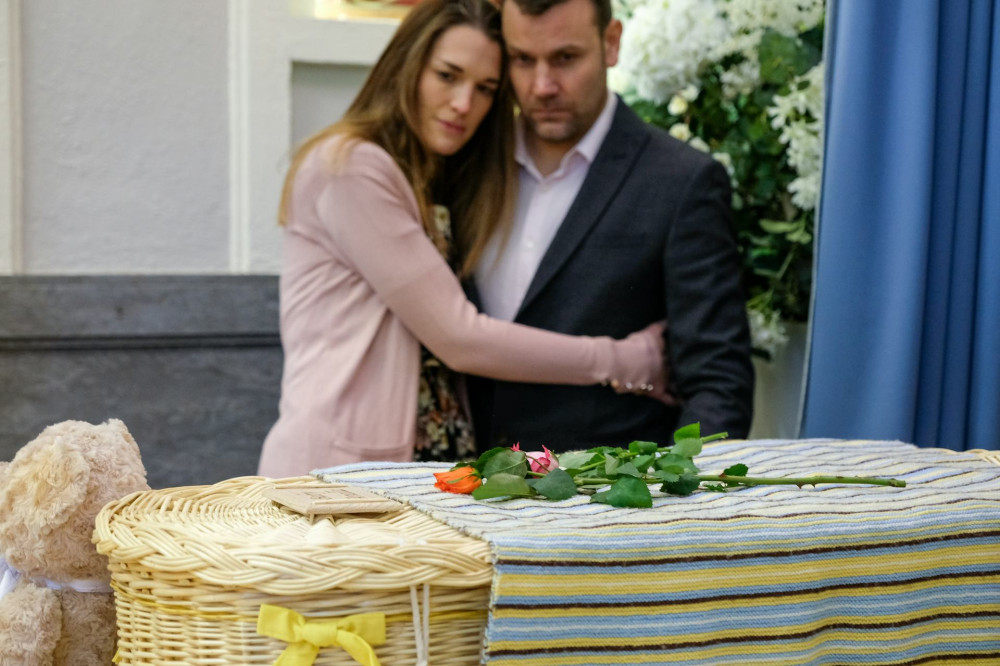
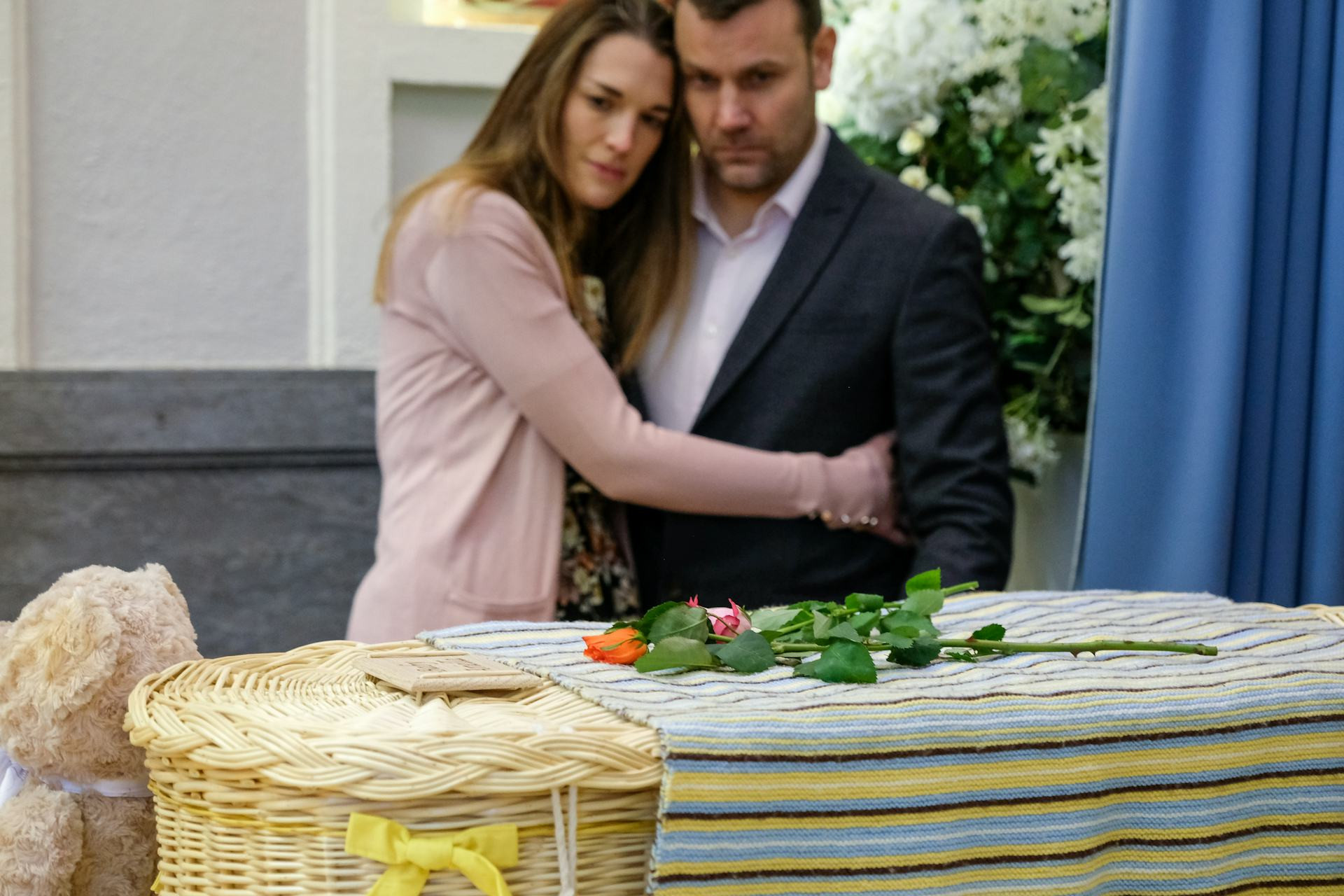
Planning a funeral is not only about logistics and decisions. For many, it becomes a moment of reflection—a way to look back on a life lived, the values that shaped it, and the relationships that gave it meaning. Rather than being just a farewell, the process can become a meaningful part of grieving and a way to find peace and connection amid loss.
When Planning Becomes Part of Grief
When someone passes away, loved ones often find themselves in an emotional whirlwind. In the midst of shock and sorrow, there are countless choices to make: the type of service, music, flowers, readings, and final resting place. It can feel overwhelming, yet for some, these very decisions become a way to process grief.
Choosing how to say goodbye can bring a sense of control and closeness. It’s a tangible way to show care for the person who has died—and for one another. Conversations about what feels right often lead to shared memories, laughter, and tears, turning the planning itself into a meaningful part of the farewell.
Læs også:



A Chance to Tell a Life Story
A funeral is not only an ending—it’s also a story about a life. Through music, words, photos, and symbols, families can express who their loved one was and what mattered most to them.
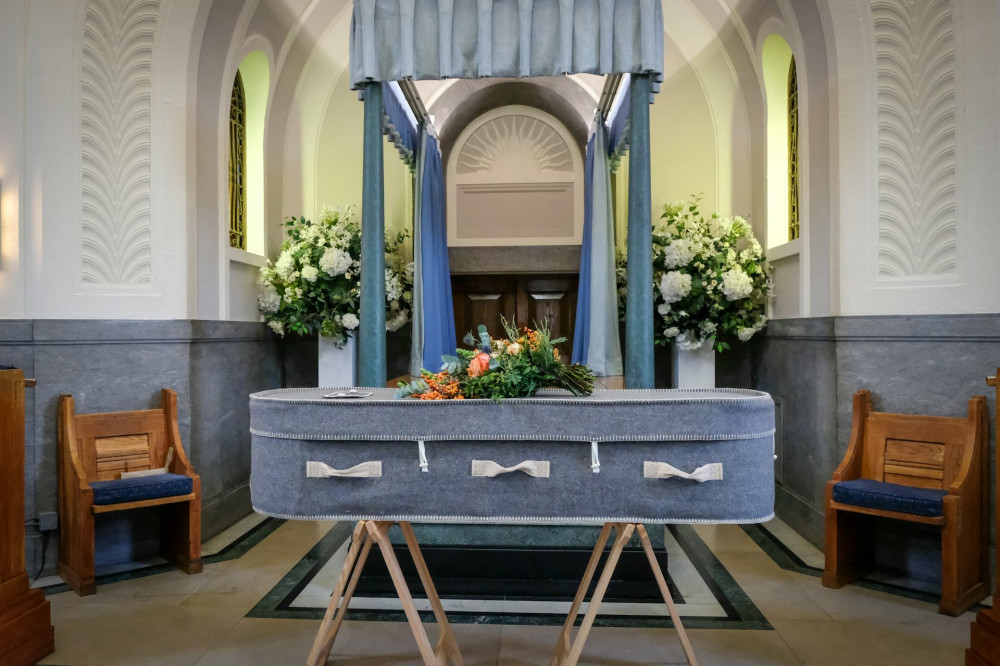
Some choose a traditional service in a church or funeral home, while others prefer a more personal gathering in a park, at the beach, or in a family backyard. What matters most is that the farewell reflects the person behind the ceremony—not as a formality, but as a final expression of love and respect.
Planning Your Own Goodbye
More Americans are choosing to plan their own funerals in advance. While it may feel uncomfortable to think about one’s own death, many describe it as a relief. It offers a chance to decide how they wish to be remembered and can ease the burden on family members later on.
Writing down preferences—whether for music, readings, burial or cremation, or charitable donations—can be a way to take responsibility for one’s farewell and bring peace of mind to loved ones. It’s not about control, but about creating a framework that makes things easier when the time comes.
The Conversation That Brings Us Closer
Death remains a difficult topic for many families to discuss. Yet talking about it can bring people closer together. When we share our thoughts about what matters most, we also open the door to a deeper understanding of life itself.
It can be helpful to start the conversation early—not as something grim, but as a natural part of life’s cycle. Many find comfort in knowing that wishes have been expressed and that loved ones won’t have to guess what to do when the time comes.
A Farewell with Meaning
A thoughtfully planned funeral can be a beautiful and healing experience. It can bring family and friends together, create space for gratitude, and allow room for both sorrow and hope. When a farewell is planned with care, it becomes more than an ending—it becomes a reminder of what life has meant.
In the end, planning a funeral—whether for ourselves or someone we love—is a reflection on what gives life its value. It’s a quiet invitation to live with awareness, compassion, and presence while we still have the time.
Læs også: