Lifelong Learning in a Digital Age – New Opportunities for Everyone

Lifelong Learning in a Digital Age – New Opportunities for Everyone
In a time when technology evolves faster than ever, the ability to keep learning has become one of the most valuable skills—no matter your age, profession, or background. Lifelong learning is no longer just about taking classes or earning new degrees. It’s about staying curious, adaptable, and open to new knowledge throughout life. The digital revolution has made learning easier than ever—but also more essential.
A New Understanding of Learning
Learning used to be something that happened mainly in classrooms or through formal education. Today, it happens everywhere: at work, at home, online, and through social networks. Digital platforms, podcasts, videos, and interactive courses make it possible to learn in small, flexible ways—whenever and wherever it fits your schedule.
This flexibility means that learning is no longer reserved for those with time and money to pursue long programs. Anyone can participate—whether you want to learn coding, understand artificial intelligence, improve your communication skills, or simply get better at using digital tools in everyday life.
Technology as a Learning Partner
Digital tools have transformed how we learn. Online courses, e-books, and learning apps provide access to knowledge from around the world. Artificial intelligence can personalize learning experiences, helping people progress at their own pace and in their own style. At the same time, virtual communities allow learners to share experiences and support one another.
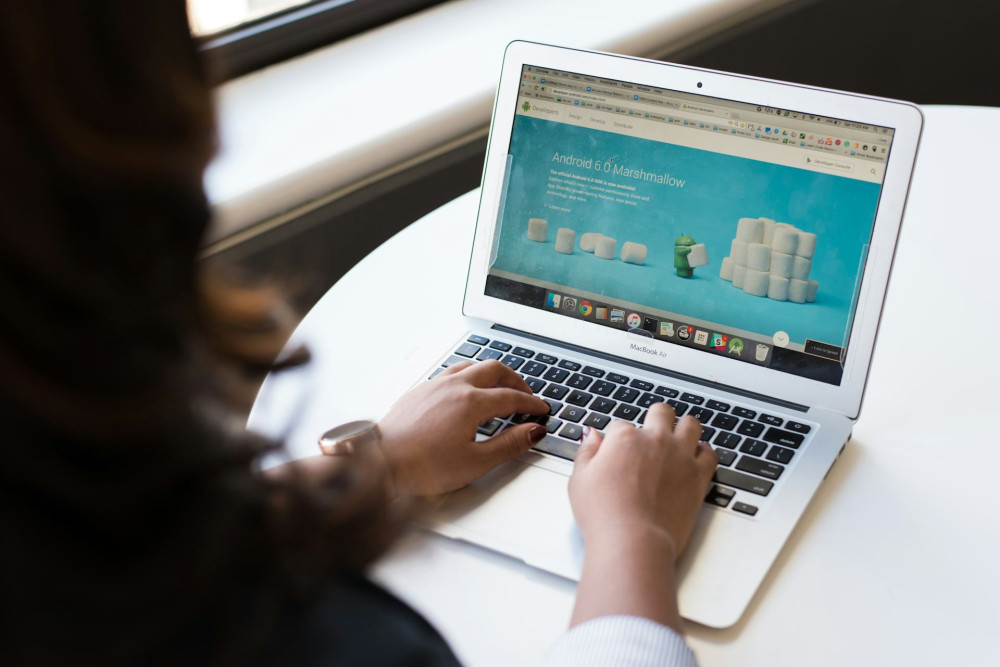
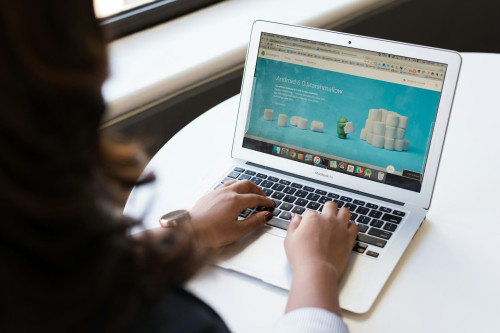
For many Americans, this flexibility is liberating. You can take a data analytics course from your living room, join a webinar during your lunch break, or practice a new language on your commute. Technology has made learning more accessible—but also more self-directed.
New Skills for a New Era
The digital transformation is reshaping the job market at a rapid pace. Some roles are disappearing while new ones emerge. That’s why having a single education for life is no longer enough—we must keep learning to stay relevant.
And it’s not just about technical skills. Creativity, critical thinking, collaboration, and digital literacy are just as important. The ability to navigate information, understand data, and use digital tools effectively is now essential for participating fully in both work and society.
Learning as Part of Everyday Life
Lifelong learning doesn’t have to be a major project. It can happen in small, everyday steps: listening to an educational podcast, taking a free online course, joining a virtual workshop, or experimenting with new digital tools. The key is to stay curious and open to exploration.
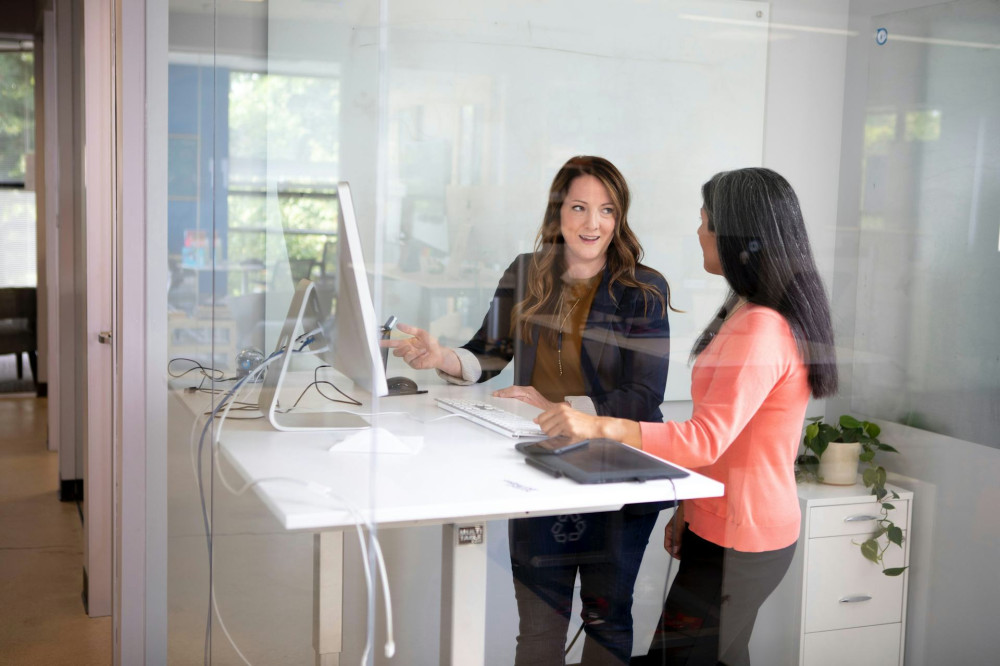
Many U.S. companies are beginning to recognize the value of fostering learning cultures—environments where employees share knowledge and help each other grow. When learning becomes a natural part of daily life, it strengthens both well-being and innovation.
Learning for All
One of the greatest advantages of the digital age is its potential to make learning more inclusive. Online courses and open educational resources can provide access to knowledge for people who were previously excluded from traditional education—regardless of age, location, or income.
But this also requires ensuring digital access and skills for everyone. If some groups lack the necessary technology or digital literacy, we risk deepening the digital divide. That’s why it’s crucial for communities, businesses, and educational institutions to work together to make lifelong learning accessible to all.
Læs også:
A Future That Demands Curiosity
Ultimately, lifelong learning in a digital age is about more than technology—it’s about mindset. It’s about seeing change as an opportunity rather than a threat. It’s about daring to learn new things, even when it feels unfamiliar. And it’s about understanding that learning has no expiration date.
In a world where knowledge quickly becomes outdated, the greatest strength is the ability to learn, unlearn, and relearn. Lifelong learning is not only a path to better career opportunities—it’s also a way to grow personally and live a richer, more meaningful life.
Læs også: