Eat in Color – A Simple Way to a Vitamin- and Mineral-Rich Diet

Discover how a rainbow on your plate can boost your health and energy
Health
Health
3 min
Eating a variety of colorful fruits and vegetables is an easy and delicious way to get the nutrients your body needs. Learn how each color supports your well-being, how to add more color to your meals, and why this simple habit can make a big difference for your health.
Michael Brooks
Michael
Brooks

Eat in Color – A Simple Way to a Vitamin- and Mineral-Rich Diet

Discover how a rainbow on your plate can boost your health and energy
Health
Health
3 min
Eating a variety of colorful fruits and vegetables is an easy and delicious way to get the nutrients your body needs. Learn how each color supports your well-being, how to add more color to your meals, and why this simple habit can make a big difference for your health.
Michael Brooks
Michael
Brooks

A colorful plate isn’t just pleasing to the eye – it’s also one of the easiest ways to make sure your body gets the vitamins, minerals, and antioxidants it needs. When you fill your meals with fruits and vegetables in a variety of colors, you naturally get a wide range of nutrients that support your immune system, boost your energy, and promote good digestion. Here’s a guide to how you can eat in color – and why it makes a difference.

What the Colors Tell You

Plants get their colors from natural compounds that often have health-promoting properties. By varying the colors on your plate, you get different types of these compounds – and a more balanced intake of nutrients.

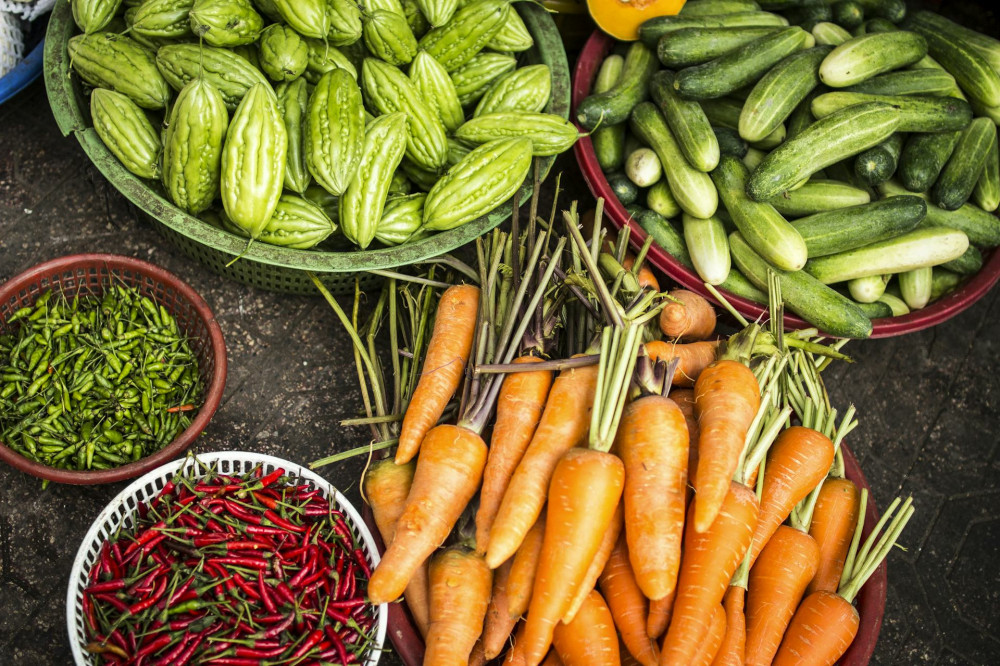
  • Green foods like spinach, broccoli, kale, and peas are rich in chlorophyll, folate, and magnesium, which support energy production and heart health.
  • Red foods such as tomatoes, beets, and strawberries contain lycopene and anthocyanins, which help protect cells from oxidative stress and support healthy blood vessels.
  • Orange and yellow foods like carrots, sweet potatoes, and mangoes are packed with beta-carotene and vitamin C, important for skin, vision, and immune function.
  • Blue and purple foods such as blueberries, red cabbage, and eggplant are loaded with antioxidants that may benefit memory and circulation.
  • White foods like cauliflower, garlic, and onions contain sulfur compounds that support the body’s natural detoxification processes.

When you combine several colors in one meal, you’re essentially creating a natural “multivitamin” – no supplements required.

How to Add More Color to Your Day

Eating in color doesn’t have to be expensive or complicated. It’s mostly about being a little creative when planning your meals.

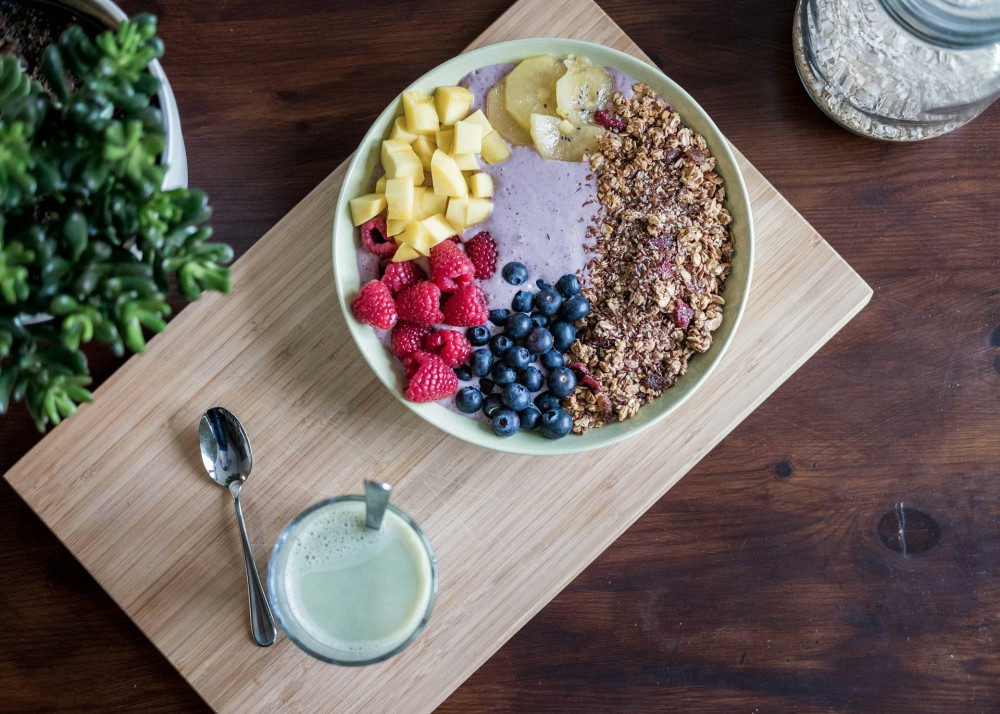
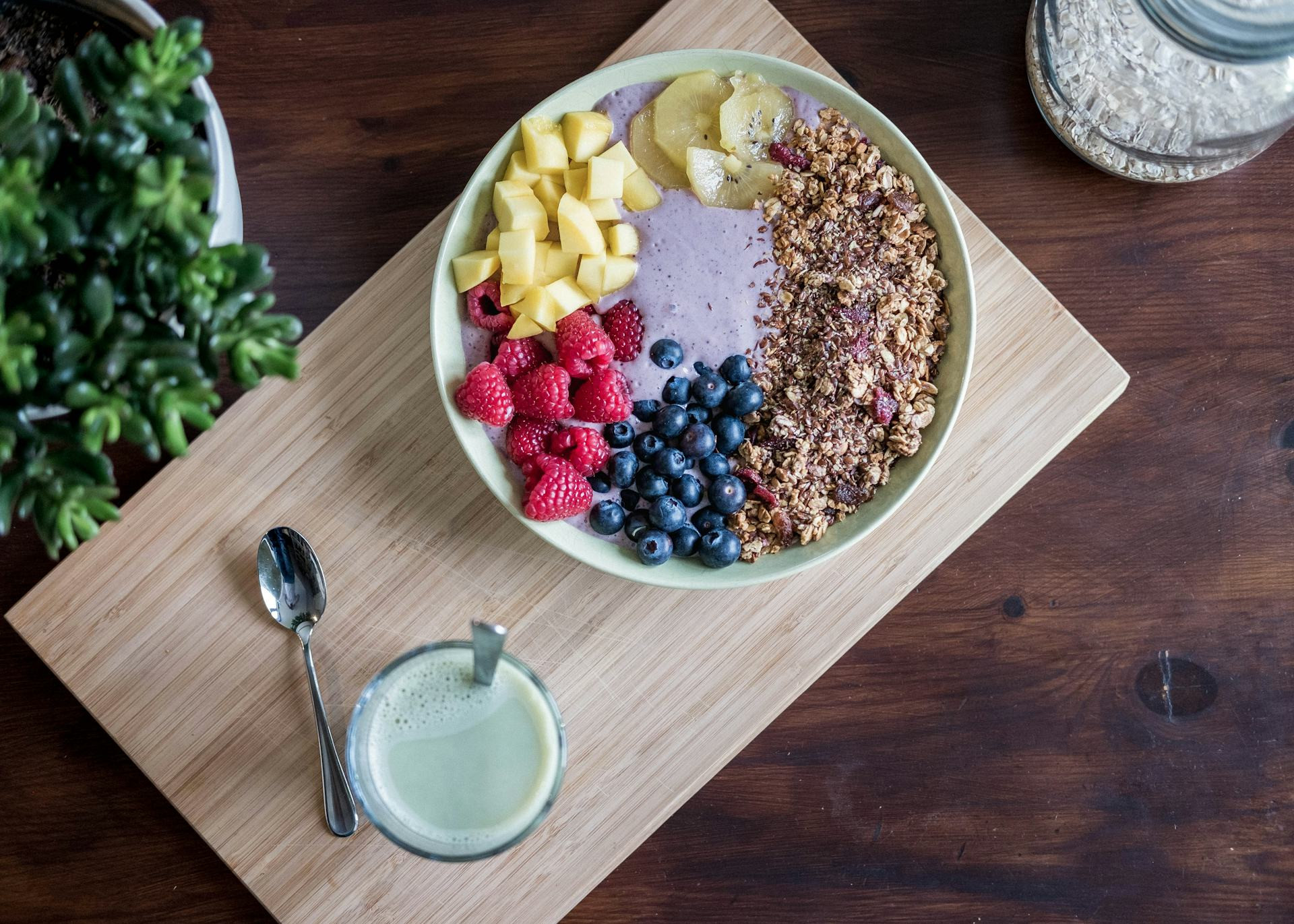
  • Start your day with color – add berries to your oatmeal, blend a smoothie with spinach and banana, or top your yogurt with seasonal fruit.
  • Fill half your plate with produce – whether you eat meat, fish, or plant-based meals, let vegetables take center stage.
  • Make rainbow salads – mix vegetables in different colors, such as red cabbage, corn, cucumber, tomato, and bell pepper.
  • Use frozen fruits and veggies – they’re often just as nutritious as fresh ones and make it easy to eat colorfully year-round.
  • Experiment with herbs and spices – parsley, turmeric, and chili add both flavor and vibrant color.

Small changes in your daily routine can make a big difference for your health and enjoyment of food.

Eat with the Seasons for More Flavor

Choosing fruits and vegetables that are in season gives you better flavor and often more nutrients. Seasonal produce is usually fresher because it hasn’t traveled as far, and it tends to be more affordable too.

  • Spring: asparagus, radishes, spinach, and strawberries.
  • Summer: tomatoes, cucumbers, berries, and corn.
  • Fall: pumpkins, apples, beets, and kale.
  • Winter: root vegetables, citrus fruits, and cabbage.

Following the rhythm of the seasons naturally brings variety to your diet – and keeps your meals interesting and colorful all year long.

Colorful Food Is Good for Body and Mind

We eat with our eyes first. A colorful meal can not only improve nutrition but also increase appetite and enjoyment. Many people find they eat more fruits and vegetables when their food looks appealing.

Colorful meals can also lift your mood. Bright, fresh colors signal energy and vitality, which can have a positive effect on your mental well-being. Eating in color is therefore not just about health – it’s also about quality of life.

A Simple Habit with a Big Impact

Eating in color is one of the simplest ways to improve your diet. You don’t need to count calories or follow complicated meal plans – just think in colors when you shop and cook. The more shades, the better.

So next time you’re at the grocery store, ask yourself: “Do I have all the colors of the rainbow in my cart?” If the answer is yes, you’re well on your way to a vitamin- and mineral-rich diet that nourishes your body and delights your senses.

Use Your Own Body as an Effective Workout Tool
Discover how to build strength and fitness using nothing but your own body
Health
Health
Bodyweight Training
Fitness
Home Workout
Exercise
Healthy Lifestyle
5 min
You don’t need expensive equipment or a gym membership to get fit. Learn how bodyweight exercises can help you strengthen muscles, boost endurance, and stay active wherever you are. This guide shows you how to make your body your most effective workout tool.
Logan Richards
Logan
Richards
Listen to Your Body: Signs You Need More Recovery
Learn to recognize the signals your body sends when it’s time to rest and recover
Health
Health
Recovery
Wellness
Mental Health
Fitness
Self-Care
4 min
In a world that prizes constant productivity, it’s easy to overlook the importance of recovery. Discover the key signs that your body needs more rest and how to restore balance for better health, energy, and performance.
Payton Fisher
Payton
Fisher
Busy Families, Happy Lives – How to Find the Right Balance
Discover practical ways to bring calm, connection, and joy into your family’s busy everyday life
Health
Health
Family Life
Work-Life Balance
Parenting
Wellbeing
Time Management
3 min
Modern family life can feel like a nonstop race, but balance is within reach. Learn how to create routines that support both structure and spontaneity, share responsibilities, and make time for what truly matters—each other.
Autumn Delgado
Autumn
Delgado
Health in Transition: How to Maintain Your Well-Being Through Life’s Changing Stages
Discover how to stay balanced, strong, and fulfilled as your body and mind evolve through life’s many stages
Health
Health
Health
Wellness
Lifestyle
Mental Health
Healthy Aging
2 min
From early adulthood to later years, each phase of life brings new health challenges and opportunities. Learn how to adapt your habits, nurture your mental well-being, and make choices that support lasting vitality and resilience through every transition.
Savannah Jones
Savannah
Jones
Eat Your Way to Steady Energy – Small Changes, Big Impact
Discover how simple food choices can help you stay energized all day
Everyday life
Everyday life
Nutrition
Healthy Eating
Energy
Wellness
Lifestyle
4 min
Tired of the afternoon slump? Learn how small, practical changes to your eating habits can keep your energy levels steady from morning to night. This guide shows you how to balance meals, choose the right carbs, and stay hydrated for lasting focus and vitality.
Michael Brooks
Michael
Brooks
Between Community and Alone Time: How to Find Your Personal Balance
Discover how to balance meaningful connections with the restorative power of solitude
Everyday life
Everyday life
Wellbeing
Self-Care
Mindfulness
Relationships
Personal Growth
5 min
In a world that often pushes us to stay constantly connected, it’s easy to lose touch with our own needs. This article explores how to find a healthy balance between social engagement and alone time—so you can feel energized, grounded, and true to yourself.
Logan Richards
Logan
Richards
From Inner Critic to Self-Support – Learn to Speak to Yourself with Compassion
Turn your inner critic into a compassionate ally and build a kinder relationship with yourself
Everyday life
Everyday life
Self-Compassion
Personal Growth
Mental Health
Mindfulness
Emotional Well-Being
7 min
Discover how to transform self-criticism into self-support by learning to speak to yourself with understanding and care. This article explores why the inner critic appears, how to shift your mindset, and practical ways to cultivate lasting self-compassion.
Payton Fisher
Payton
Fisher