Health in Transition: How to Maintain Your Well-Being Through Life’s Changing Stages


Health in Transition: How to Maintain Your Well-Being Through Life’s Changing Stages
Life moves through many chapters — from the energy of youth to the demands of adulthood and the reflection of later years. Each stage brings new challenges, both physical and emotional. Our bodies change, our routines shift, and what once worked may no longer fit. Yet with awareness and intentional choices, it’s possible to maintain health and vitality through every transition.
Understanding the Body’s Natural Changes
The body is always evolving. In your 30s, metabolism may slow slightly; in your 40s and 50s, hormonal changes can affect energy and mood; and later in life, muscles and joints may need extra care. These shifts are natural — but they remind us that health is dynamic, not fixed.
Recognizing what’s happening in your body is the first step toward supporting it wisely. For example, menopause, stress, or disrupted sleep can influence both physical and emotional balance. Instead of resisting change, learn how to work with it — adjusting habits to help your body find its new rhythm.
Læs også:


Adjusting Nutrition for Every Life Stage
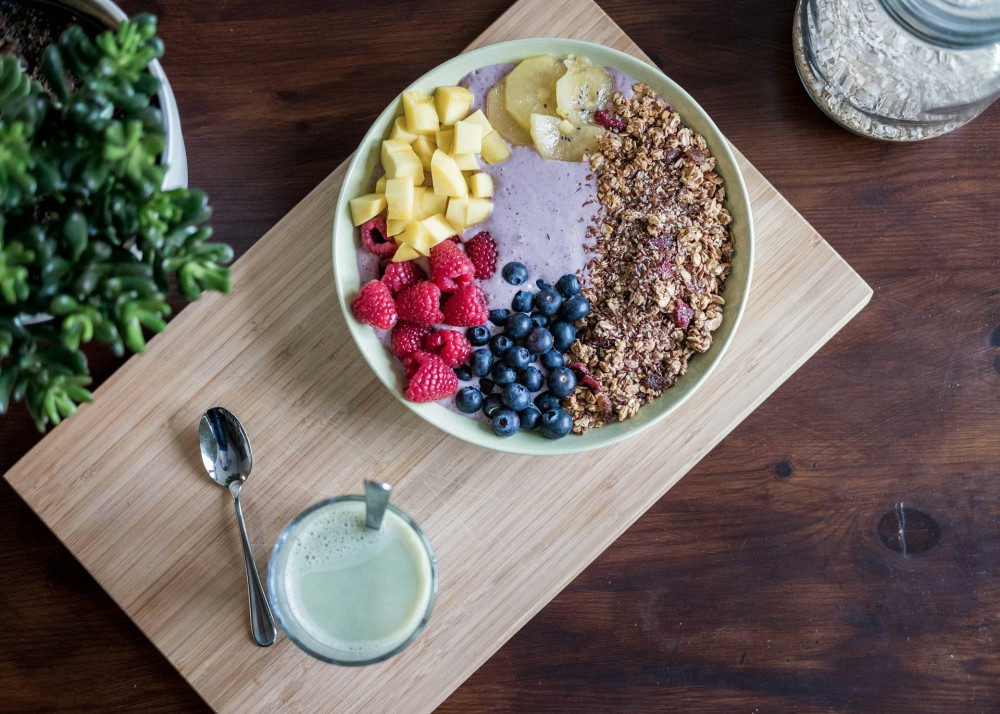
What you eat profoundly affects how you feel, and your nutritional needs evolve over time. During active years, your body needs fuel for performance; later, it benefits from nutrients that support repair and maintenance.
- In your 30s and 40s: Focus on a balanced diet rich in whole grains, vegetables, fruits, and lean proteins. These foods help stabilize energy and reduce the risk of chronic disease.
- During midlife transitions: Calcium, vitamin D, and healthy fats support bone strength and hormonal balance.
- In your senior years: Smaller portions with higher nutrient density are key. Protein and fiber help maintain muscle mass and digestive health.
Simple habits — staying hydrated, eating regularly, and limiting added sugars — can make a noticeable difference in energy, mood, and overall well-being.
Movement as a Lifelong Investment
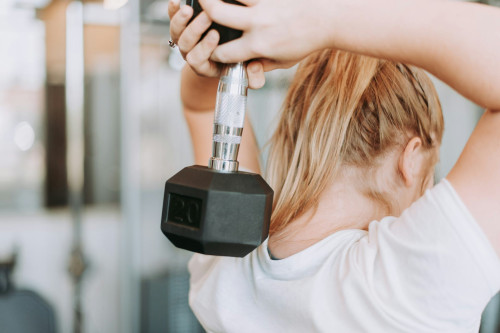
Exercise isn’t just about fitness; it’s about preserving strength, mobility, and joy. Physical activity can be adapted to any stage of life — the key is finding something you enjoy.
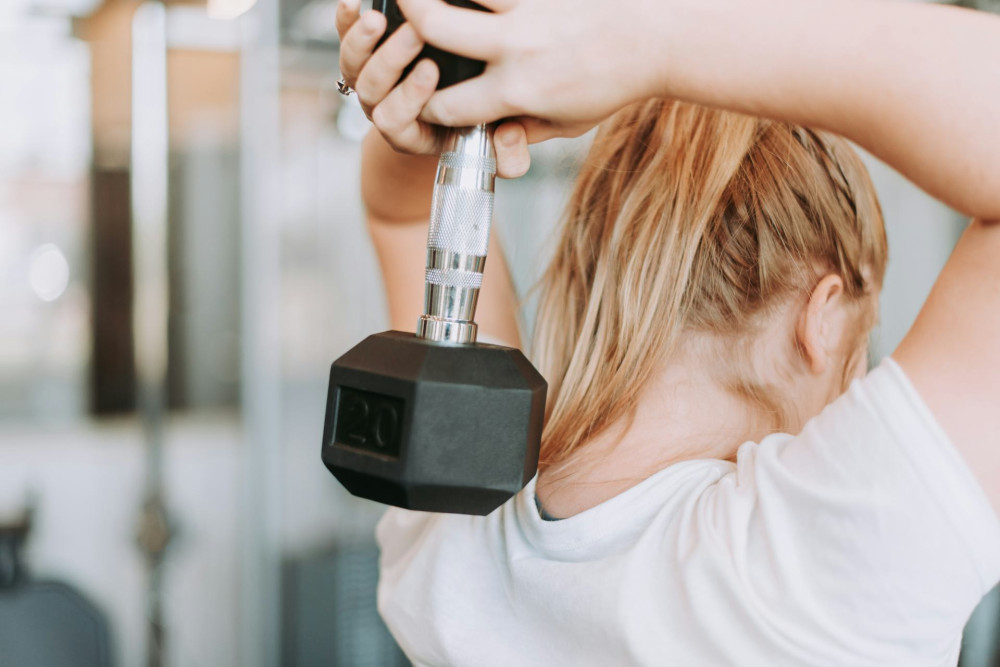
- Strength training helps maintain muscle and bone density.
- Cardio activities like walking, swimming, or cycling support heart and lung health.
- Flexibility and balance exercises — such as yoga, tai chi, or dancing — prevent injury and promote calm.
Even small amounts of movement matter. A daily walk, gardening, or taking the stairs can keep your body active. Consistency is more important than perfection.
Supporting Mental and Emotional Health
Life transitions can also test your mental well-being. When children leave home, careers shift, or your body feels different, it’s natural to experience uncertainty. Acknowledging these feelings is part of staying healthy.
Make time for reflection and rest. Talk with friends, family, or a counselor if you feel overwhelmed. Practices like mindfulness, journaling, or simply spending quiet time outdoors can help restore balance. Remember, mental health is just as vital as physical health.
Accepting change as a normal part of life can be freeing. It allows you to focus on what you can influence — your habits, your mindset, and your self-care.
Sleep and Recovery: The Body’s Recharge
Sleep needs may change with age, but quality becomes increasingly important. Many adults experience lighter sleep or more frequent awakenings, especially during stressful times or hormonal shifts.
Establish healthy sleep routines: go to bed at a consistent time, limit screen use before bed, and create a calm, cool sleeping environment. A good night’s rest strengthens immunity, memory, and mood — and is one of the most powerful tools for long-term health.
The Power of Connection
Strong social ties are among the most reliable predictors of a long, healthy life. Relationships provide meaning, support, and joy — and protect against loneliness and stress.
Nurture your connections, whether through family, friends, community groups, or new hobbies. It’s never too late to build new relationships. Research consistently shows that people with close social networks live longer and experience better mental health.
Embracing Change as Opportunity
Health isn’t just the absence of illness — it’s the ability to live with energy, curiosity, and purpose. Every stage of life offers a chance to learn more about yourself and to adjust your path.
When you meet change with openness and compassion for your body and mind, health becomes more than a goal — it becomes a lifelong journey, a way of living with balance and intention.
Læs også: