Functional Training: Strength, Control, and Mastery in One Package

Functional Training: Strength, Control, and Mastery in One Package
Functional training has become one of the most talked-about trends in fitness across the United States. From boutique gyms and CrossFit boxes to physical therapy clinics and home workouts, this approach to exercise focuses on movement rather than isolated muscles. The goal? To build a body that’s strong, stable, and capable of handling the demands of everyday life. But what exactly is functional training, and why has it become so popular?
What Is Functional Training?
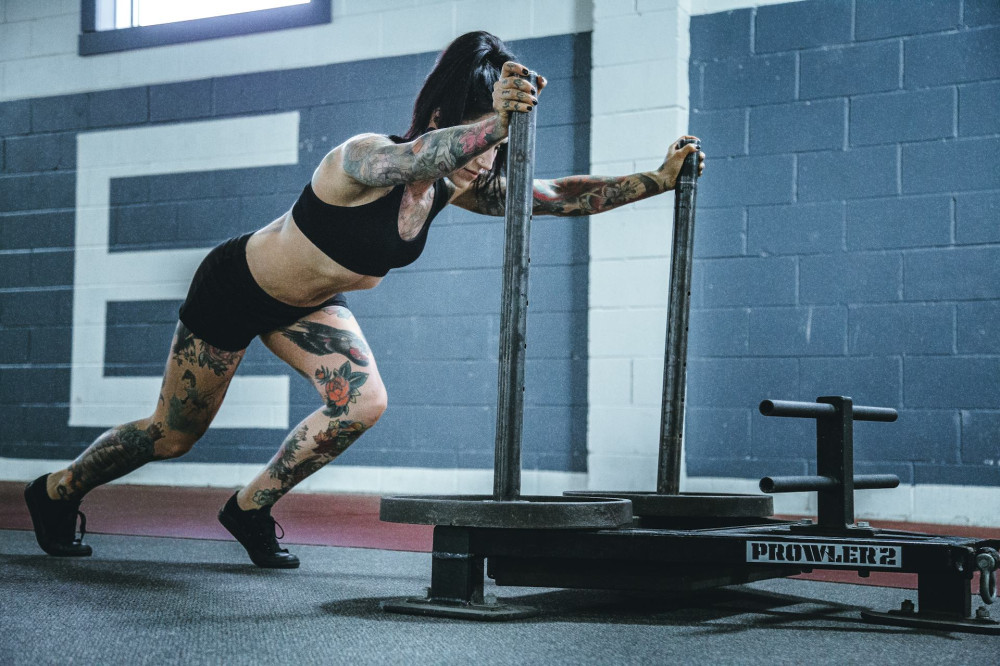
Functional training is all about improving the way your body moves. Instead of sitting in a machine that targets one muscle group at a time, you train your body as a whole—often using your own body weight, free weights, or simple tools like kettlebells, resistance bands, and medicine balls.
The exercises combine strength, balance, coordination, and mobility. You might lift, pull, push, jump, rotate, or stabilize. The aim is to create a body that not only looks strong but also moves efficiently and feels powerful in real-world situations.
Why Choose Functional Training?
There are several reasons why functional training appeals to so many people. First, it’s an efficient way to build both strength and body control. Because the exercises engage multiple muscle groups at once, you get more out of each session.
Second, it’s highly adaptable. Whether you’re a beginner, a weekend warrior, or a competitive athlete, the exercises can be scaled to your level. That makes functional training accessible to people of all ages and abilities.
Finally, it has direct carryover to daily life. When you improve your ability to lift, bend, twist, and stabilize, you reduce your risk of injury and make everyday tasks—like carrying groceries, playing with your kids, or performing at your sport—easier and safer.
The Fundamental Movement Patterns
Functional training is built around the body’s natural movement patterns. The key ones include:
- Squat (sitting down and standing up) – strengthens legs, hips, and core.
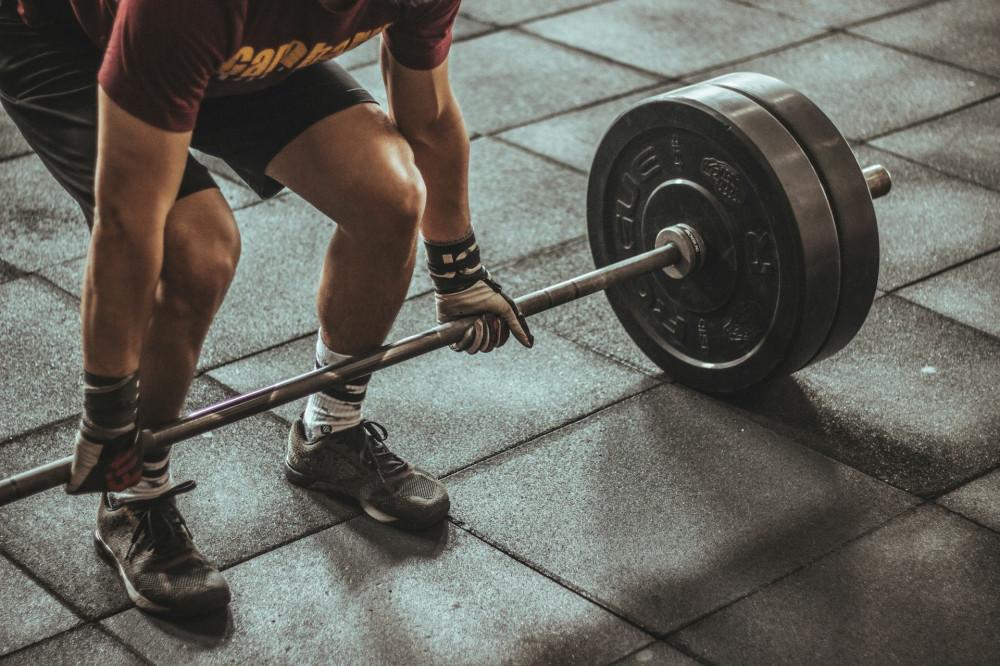
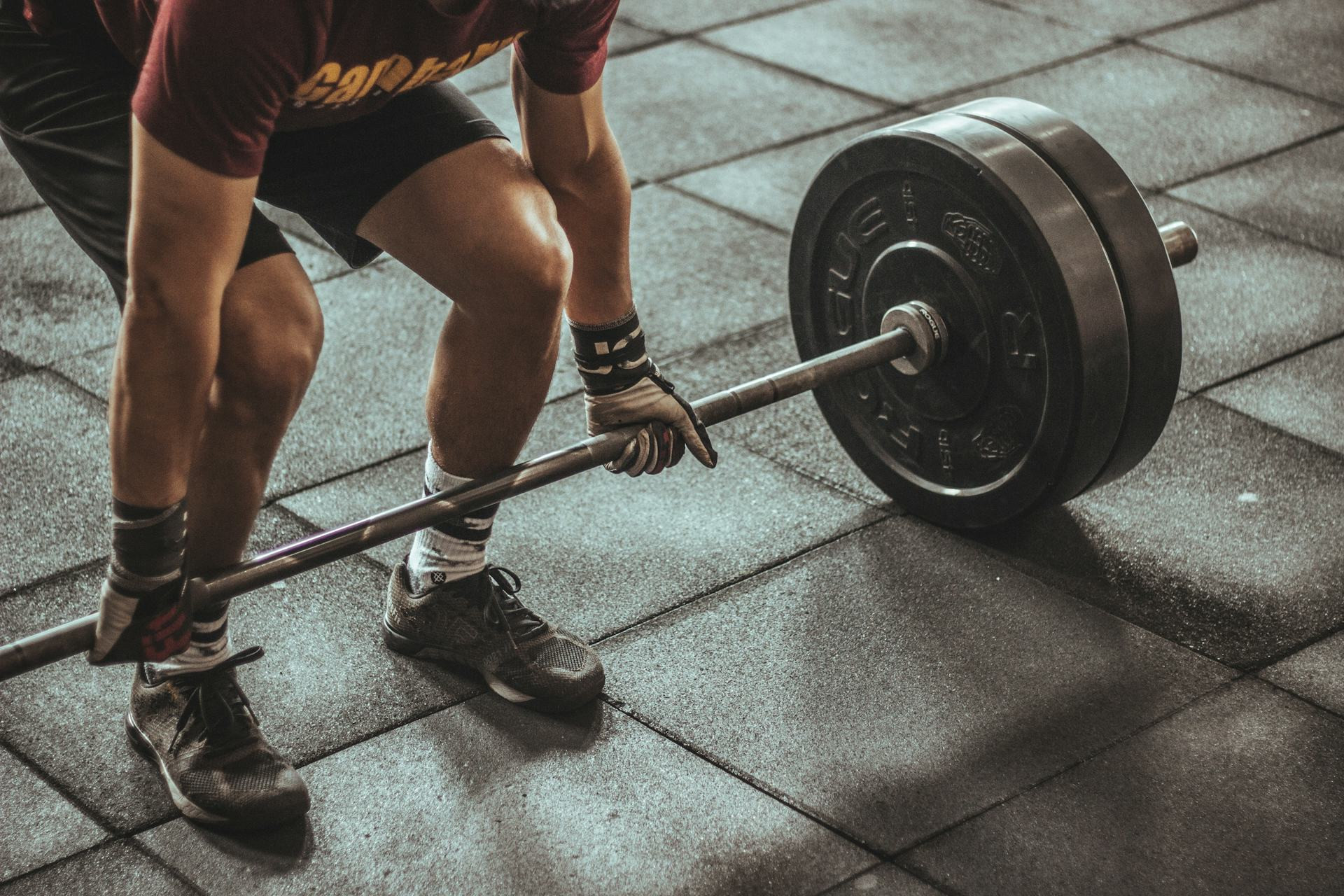
- Hinge (bending at the hips) – works the hamstrings, glutes, and lower back.
- Lunge (stepping forward or backward) – challenges balance and stability.
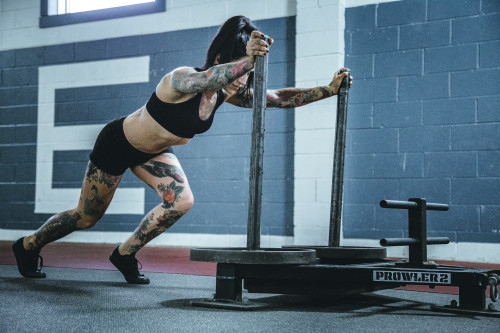
- Push (pressing away) – activates chest, shoulders, and triceps.
- Pull (drawing toward you) – strengthens the back and biceps.
- Rotation (twisting the torso) – improves control and mobility.
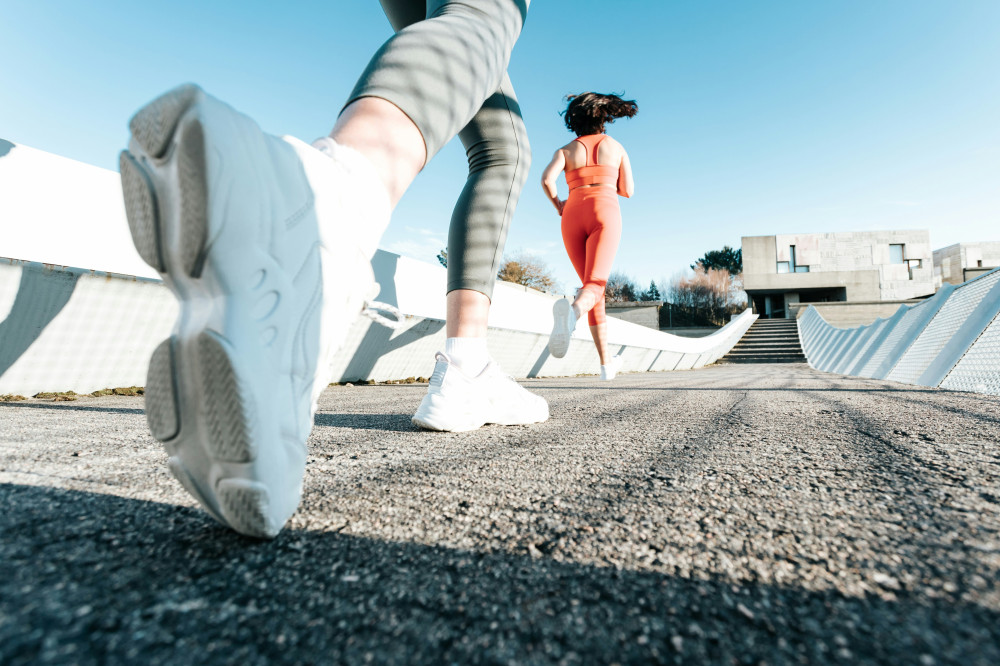
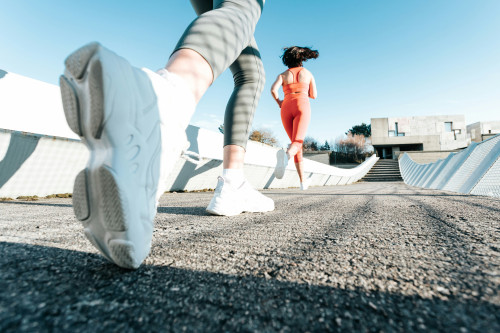
- Gait (walking, running, or moving) – integrates the entire body in motion.
By combining these patterns in different ways, you create a well-rounded workout that strengthens both muscles and the nervous system.
Equipment and Training Environment
One of the biggest advantages of functional training is that it doesn’t require fancy equipment. Many exercises can be done with just your body weight, but adding simple tools can increase variety and challenge:
- Kettlebells – great for dynamic lifts and swings.
- TRX or suspension trainers – build stability and core strength.
- Resistance bands – provide portable resistance for any setting.
- Medicine balls – perfect for throws and rotational work.
- Free weights – allow for natural, full-body movements under load.
You can train in a gym, outdoors, or at home—whatever keeps you motivated and consistent.
Functional Training and Injury Prevention
A strong, stable body is less prone to injury. Functional training strengthens the small stabilizing muscles around your joints and spine that are often neglected in traditional strength training. It also improves body awareness, helping you move more efficiently and with better control.
For many people recovering from injuries, functional training is a key part of rehabilitation. The exercises can be modified to rebuild strength and mobility gradually, without overloading the body.
Læs også:
Getting Started
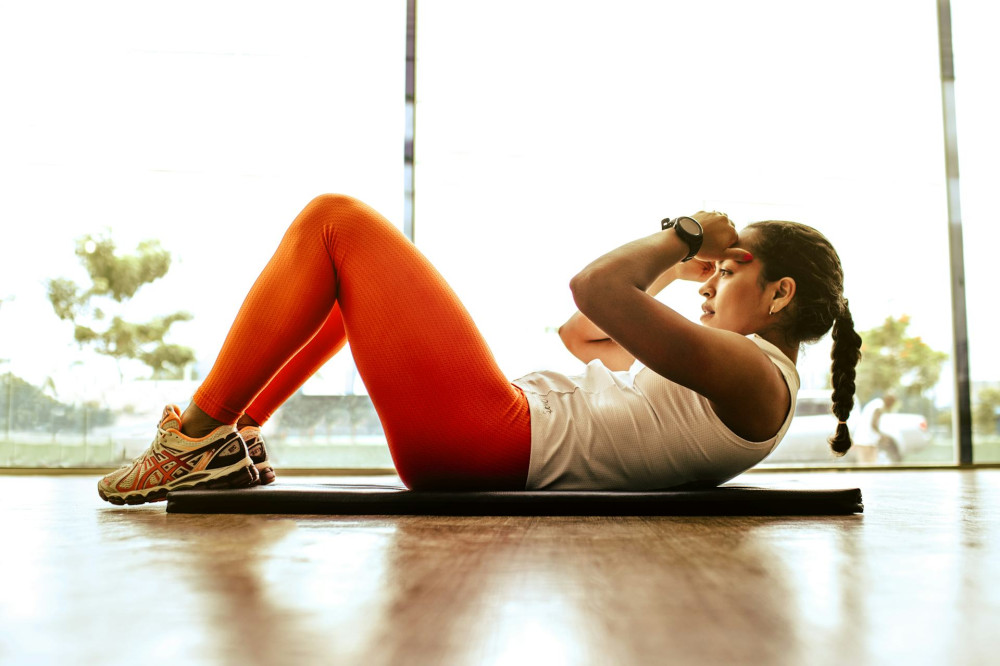
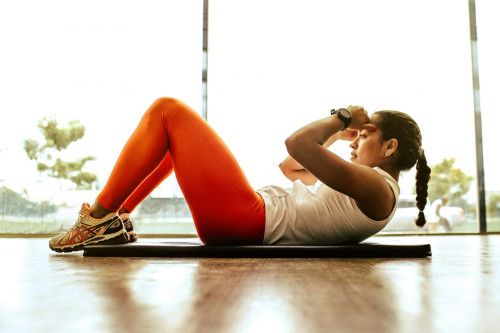
If you’re new to functional training, start with basic movements like squats, planks, lunges, and kettlebell swings. Focus on form before adding weight—quality of movement matters more than quantity.
Consider working with a certified trainer who specializes in functional fitness. A professional can help you design a program that fits your goals, fitness level, and any physical limitations.
Begin with two to three sessions per week and build from there. Keep your workouts varied to stay motivated and to challenge your body in new ways.
A Training Method with Purpose
Functional training isn’t just about getting stronger—it’s about building a body that works better in everyday life. It’s a method that combines strength, control, and mastery, giving you the confidence to move freely and efficiently.
Whether your goal is better health, improved performance, or simply feeling good in your own body, functional training offers a balanced, practical, and empowering path to fitness—all in one package.
Læs også: