Getting Started with Home Workouts – Even as a Beginner

Getting Started with Home Workouts – Even as a Beginner
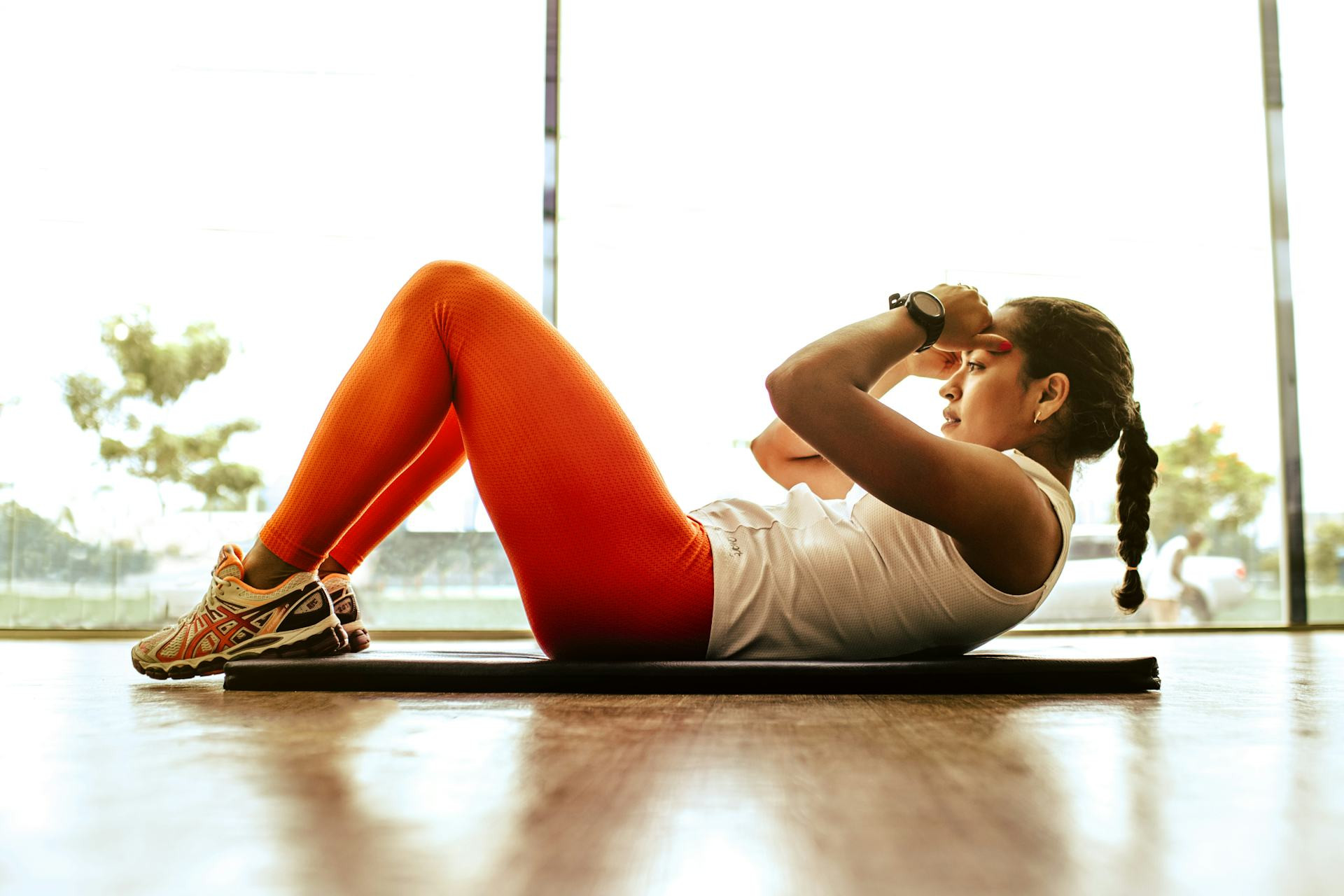
Home workouts have become more popular than ever—and for good reason. You don’t need an expensive gym membership or fancy equipment to get in shape. With a bit of space, motivation, and the right exercises, you can build strength, endurance, and energy right in your living room. Here’s a guide to help you start your home fitness journey as a beginner—without feeling overwhelmed.
Start with Realistic Goals
The most important thing when starting to work out at home is to set realistic goals. Many people dive in too fast and lose motivation when they don’t see results right away. Instead, focus on building a routine you can stick to.
Ask yourself: What do you want to achieve? Do you want more energy, to get stronger, lose weight, or simply move more during the day? Once you have a clear purpose, it’s easier to choose the right exercises and stay consistent.
A good starting point is to work out 2–3 times a week for 20–30 minutes. That’s enough to make a difference—and easy to fit into a busy schedule.
Læs også:
Create a Dedicated Workout Space—No Matter the Size
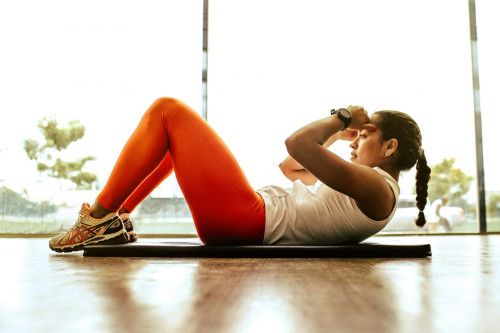
You don’t need a full home gym to get started. What matters most is having a space where you can move freely and without distractions. A corner of your living room, bedroom, or even your patio can work perfectly.
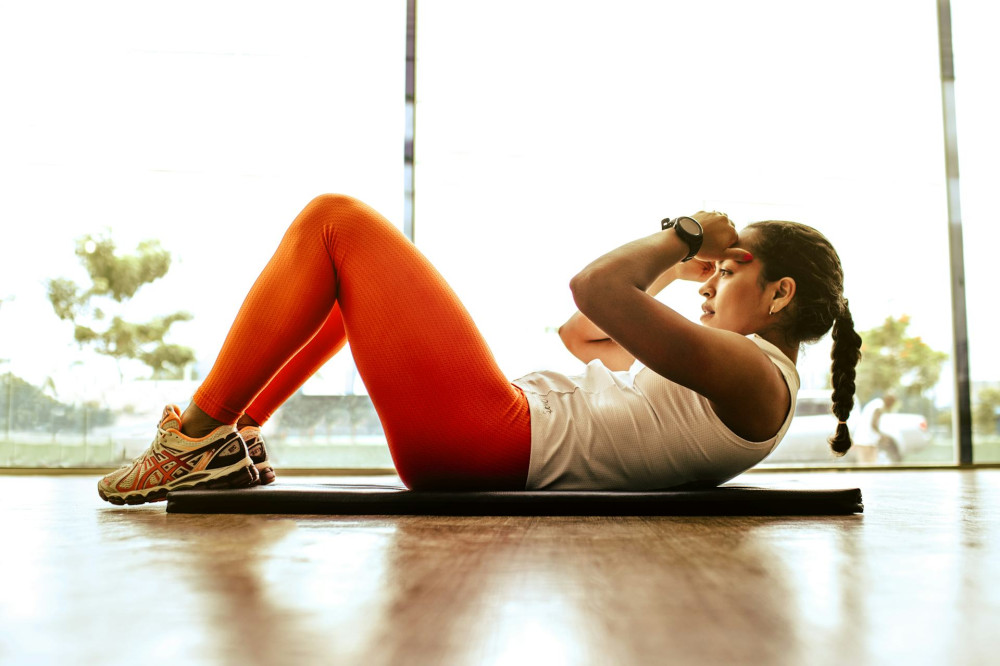
Lay down a yoga mat and keep your gear in one place—like dumbbells, resistance bands, or even a water bottle you use as a weight. When everything is ready to go, it’s easier to start your workout without wasting time searching for equipment.
A small tip: Build a routine around your workout. Play your favorite upbeat playlist, open a window for fresh air, and pick a consistent time of day. This helps your brain associate that space and time with movement.
Begin with Simple Exercises
As a beginner, focus on learning basic movements and building good form. You don’t need complicated routines—bodyweight exercises are a great place to start.
Here’s a simple no-equipment workout you can try:
- Squats – strengthen your legs and glutes. Start with 10–15 reps.
- Push-ups – work your chest, shoulders, and arms. Do them on your knees if needed.
- Plank – builds core and back strength. Hold for 20–30 seconds.
- Lunges – improve balance and leg strength. Alternate between legs.
- Superman – lie on your stomach and lift arms and legs to strengthen your back.
Do 2–3 rounds of this circuit with short breaks in between. As you get stronger, increase the number of reps or add light weights.
Use What You Already Have at Home
You don’t need to spend a lot of money on equipment. Many household items can double as workout tools:
- A chair can be used for step-ups or triceps dips.
- A water bottle or backpack filled with books can serve as a weight.
- A towel can be used for sliding core exercises.
- A door frame can anchor resistance bands.
The key is to be creative and adapt exercises to your fitness level.
Stay Motivated
Motivation is often the biggest challenge when working out at home. Without a gym or group classes, it’s easy to skip a session. That’s why it’s important to create small wins along the way.
- Set mini goals – for example, working out three times a week for a month.
- Track your progress – note how many reps you do or how long you hold a plank.
- Reward yourself – not with junk food, but maybe with a new workout mat or a relaxing evening after your session.
- Find an online workout buddy – sharing progress with someone else can help you stay accountable.
Remember, motivation doesn’t always come first—it often follows action. Once you start moving, the desire to keep going usually grows.
Don’t Skip Warm-Up and Recovery
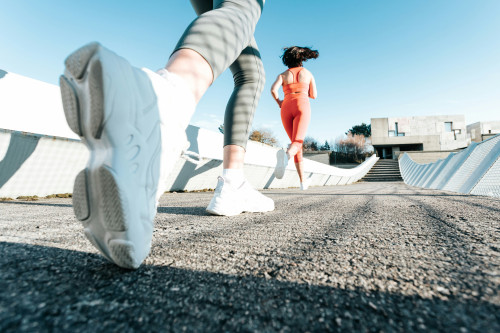
Even when training at home, the same principles apply as in the gym. Always start with a 5–10 minute warm-up—like jogging in place, arm circles, or high knees. This increases blood flow and reduces the risk of injury.
After your workout, take a few minutes to stretch and breathe deeply. It helps your body recover and makes it easier to get back to it next time.
Make Home Workouts a Habit
The most important part of home workouts isn’t how hard you train—it’s how consistently you do it. Small steps add up, and over time, they lead to big results. When exercise becomes a natural part of your routine, you’ll notice more energy, a better mood, and a stronger body.
So find a time that works for you, roll out your mat, and get started. You don’t need the perfect plan—the most important thing is simply to begin.
Læs også: