Harmony at Home: Small Changes with a Big Impact

Harmony at Home: Small Changes with a Big Impact
A harmonious home rarely happens by accident. It’s the result of many small choices—colors, lighting, furniture, and daily rhythms—that together create a sense of calm and connection. The good news is that you don’t need a full remodel to make your home feel more balanced. Often, it’s the small adjustments that make the biggest difference. Here’s how a few thoughtful changes can bring more harmony to your home.
Step Back and See the Whole Picture
When you live in a space every day, it’s easy to stop noticing how it all fits together. Try taking a step back and looking at your home as a whole. How do the colors, materials, and moods flow from one room to the next? Are there areas where the transition feels abrupt or cluttered?
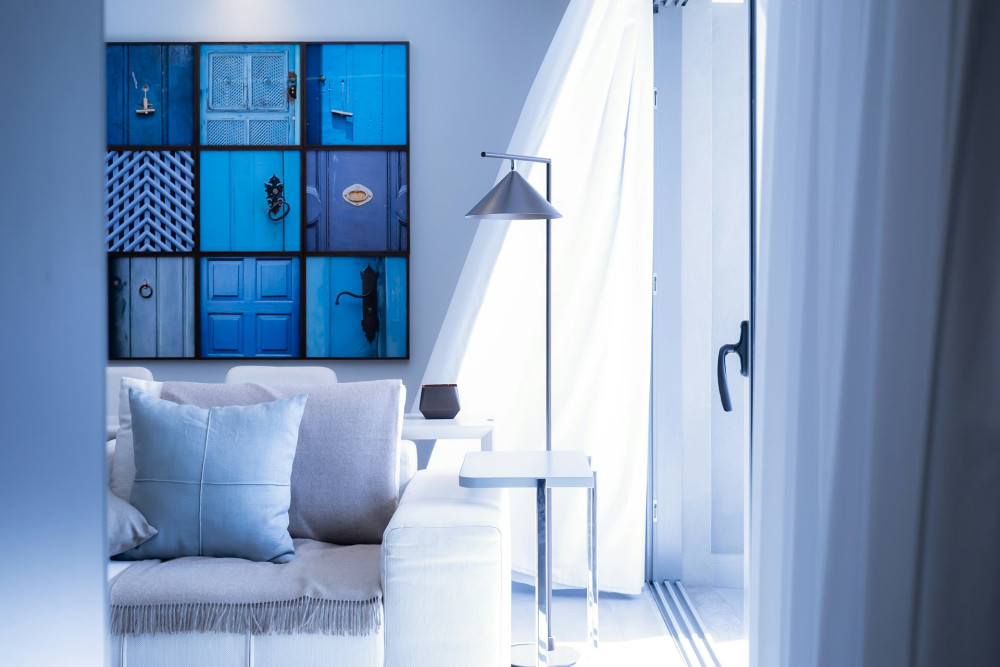
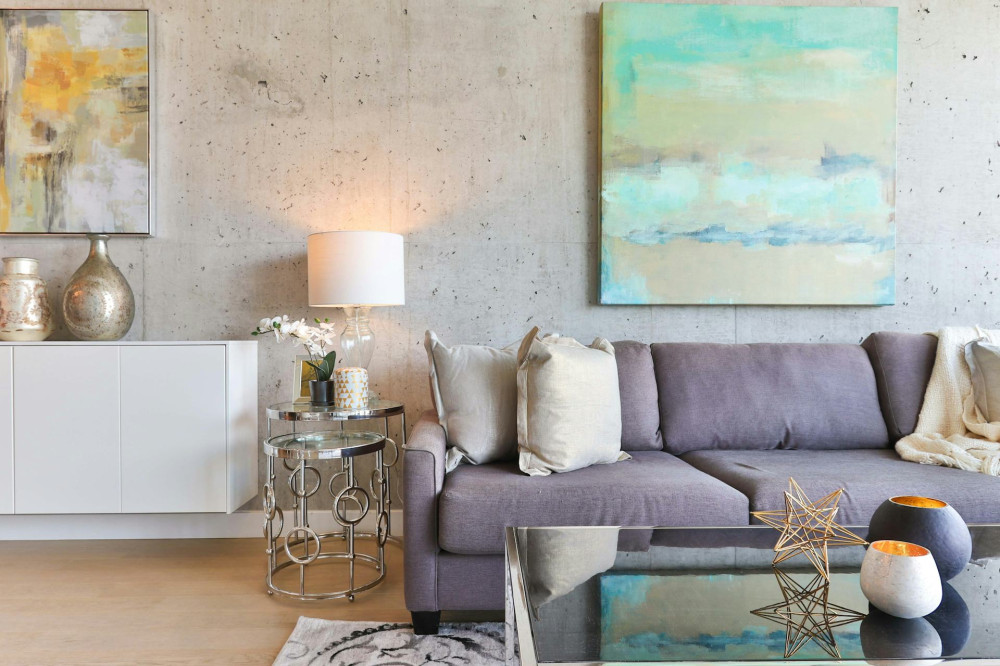
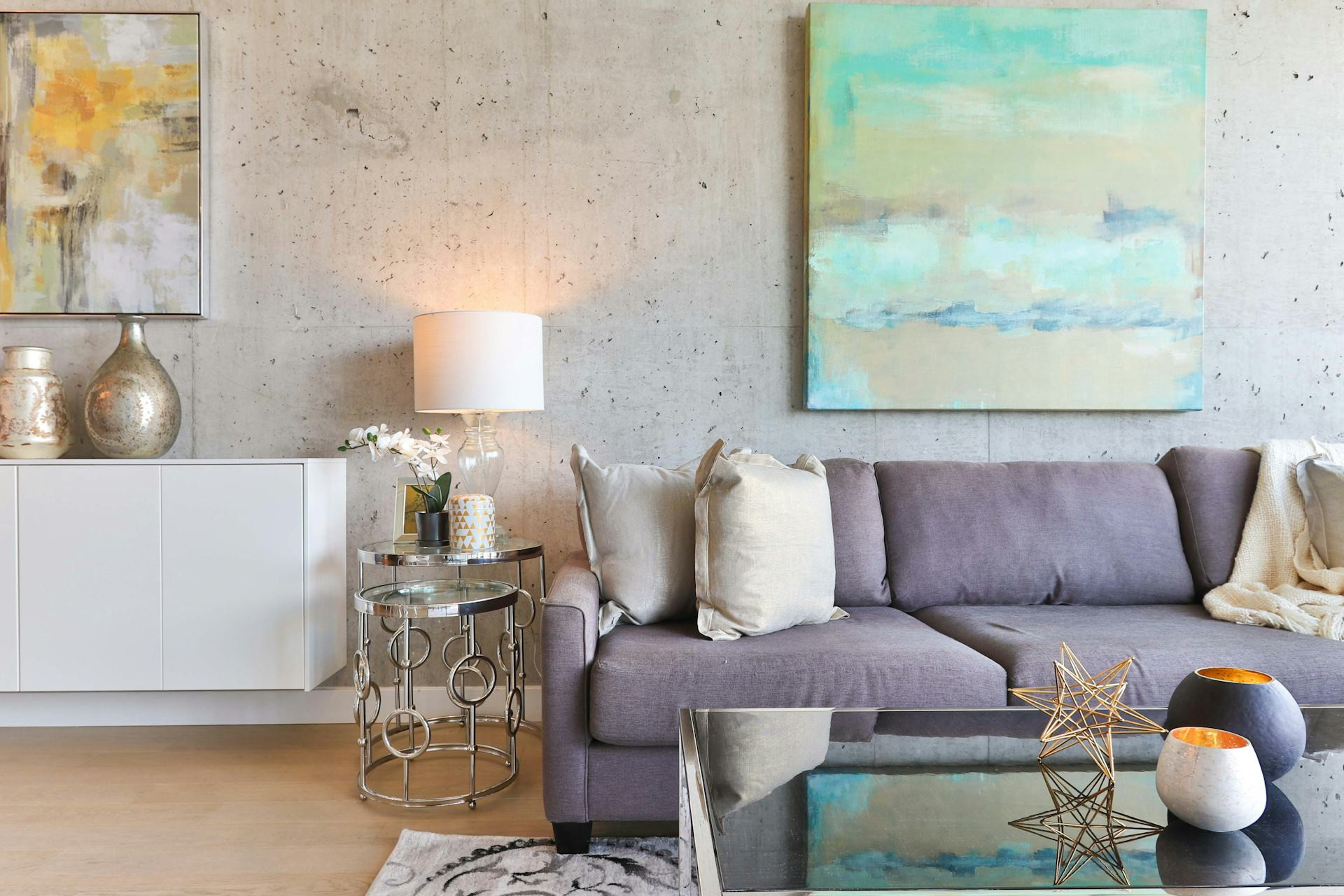
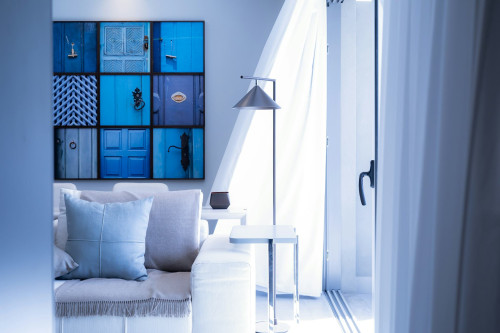
A good starting point is to choose a cohesive color palette—not necessarily the same color everywhere, but shades that complement each other. Think soft neutrals, warm earth tones, or cool blues and grays. When these colors repeat in small details like throw pillows, artwork, or textiles, your home naturally feels more unified and peaceful.
Lighting That Connects Spaces
Lighting is one of the most powerful yet overlooked tools for creating harmony. Many people choose light fixtures purely for function, but lighting can also shape mood and continuity.
Consider using fixtures with similar materials or finishes—like brushed brass, wood, or matte black—throughout your home. This creates a visual thread that ties rooms together. You can also layer lighting: warm, dimmable light in the living room, bright task lighting in the kitchen, and soft, indirect light in the bedroom. When each space is lit to suit its purpose, the whole home feels more balanced.
Furniture That Flows
A room can be beautifully decorated but still feel off if the furniture interrupts movement or sightlines. Think about how people move through your home—both physically and visually. Can you see from one room to another without being met by clutter or too many competing styles?
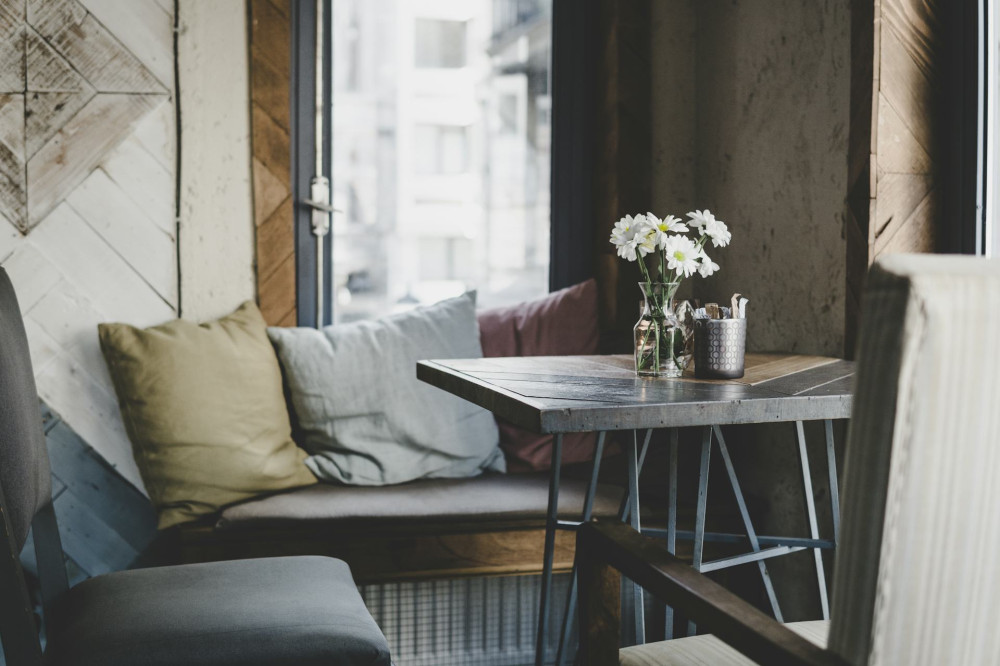
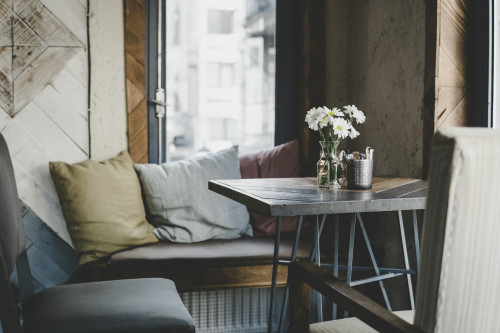
Create small “breathing spaces” where the eye can rest—a blank wall, a single plant, or a simple piece of furniture standing alone. Repetition also helps: using the same type of wood, fabric, or shape in different rooms builds rhythm and familiarity.
Læs også:


Order as Aesthetic
Harmony isn’t just about design—it’s also about structure. A home where everything has a place naturally feels calmer. That doesn’t mean it has to be spotless, but there should be a sense of logic and flow.
Simple solutions like baskets for loose items, hooks for bags, or a tray for keys can make a big difference. When surfaces are clear, the beauty of your space stands out, and it’s easier to appreciate the details you’ve chosen with care.
Personal Touches with Intention
A home without personality can feel sterile, but too many competing elements can create chaos. Choose your personal touches thoughtfully. Family photos in matching frames, travel mementos grouped together, or artwork that shares a common color tone can all tell a cohesive story.
When personal items have a clear place and a shared theme, they enhance the harmony instead of disrupting it. It’s not about hiding your personality—it’s about letting it shine in a way that supports the calm of your home.
Small Steps, Big Difference
Creating harmony at home is a process, not a one-time project. You don’t have to change everything at once. Start with one room, one color, or one habit. Maybe it’s as simple as rearranging a piece of furniture, swapping out a rug, or decluttering a shelf. You’ll often find that small changes ripple outward—affecting not just how your home looks, but how it feels to live in it.
A balanced home doesn’t have to be perfect. It just needs to feel intentional, comfortable, and alive—a place where you can breathe easily because everything around you works together in quiet, effortless harmony.
Læs også: