Light and Mood: How Color Temperature and Brightness Affect a Room

Light and Mood: How Color Temperature and Brightness Affect a Room
Light is more than a practical necessity—it’s one of the most powerful tools for shaping how a space feels. The right lighting can make a room feel warm and inviting, while poor lighting can make it seem cold, flat, or uncomfortable. Two key elements determine how light affects a room’s atmosphere: color temperature and brightness. Together, they influence not only how a space looks but also how we feel and behave within it.
What Is Color Temperature?
Color temperature, measured in kelvins (K), describes how “warm” or “cool” a light appears. It’s not about actual heat, but about the tone of the light.
- Warm light (2,700–3,000 K) has a golden glow similar to candlelight or traditional incandescent bulbs. It creates a cozy, relaxing atmosphere—perfect for living rooms, bedrooms, and dining areas.
- Neutral white light (3,500–4,000 K) offers a balanced, natural tone that works well in kitchens, bathrooms, and home offices.
- Cool white light (4,500–6,500 K) has a bluish tint that resembles daylight. It feels energizing and is ideal for workspaces, garages, or areas where focus and alertness are important.
By choosing the right color temperature, you can set the emotional tone of a room—from calm and intimate to bright and productive.
Brightness – Balancing Function and Comfort
Brightness is measured in lumens and indicates how much light a bulb emits. Too little light can make a room feel dim and tiring for the eyes, while too much can feel harsh and overwhelming. The ideal brightness depends on the room’s purpose:
- Living room: 10–20 lumens per square foot—use multiple light sources to adjust the mood.
- Kitchen: 30–40 lumens per square foot—ensure strong task lighting over counters and prep areas.
- Bedroom: 10–20 lumens per square foot—soft, dimmable light encourages relaxation.
- Home office or workspace: 40–50 lumens per square foot—bright, even light supports concentration.
A good approach is to layer ambient lighting (ceiling fixtures) with task lighting (desk or reading lamps) and accent lighting (table lamps, wall sconces). This combination gives flexibility and allows you to adapt the lighting to different activities.
Creating Atmosphere with Layers of Light
Designers often talk about using “layers of light” to add depth and character to a space. This means combining different types of lighting to create balance and visual interest.
- Ambient lighting – provides general illumination throughout the room.
- Task lighting – focused light for specific activities like reading, cooking, or working.
- Accent lighting – soft, indirect light that highlights artwork, textures, or architectural details.
By adjusting these layers, you can easily shift the mood—dim the lights for a calm evening or brighten the space when entertaining guests.
Dimming and Flexibility
A dimmer switch is a simple yet powerful tool for controlling atmosphere. With a quick adjustment, you can move from bright task lighting to a soft evening glow. Many modern LED bulbs are dimmable, and smart lighting systems now let you control both brightness and color temperature through an app or voice command.
This flexibility allows you to align lighting with your daily rhythm—cooler light in the morning to boost energy, warmer light in the evening to promote relaxation and better sleep.
Color Temperature and Materials
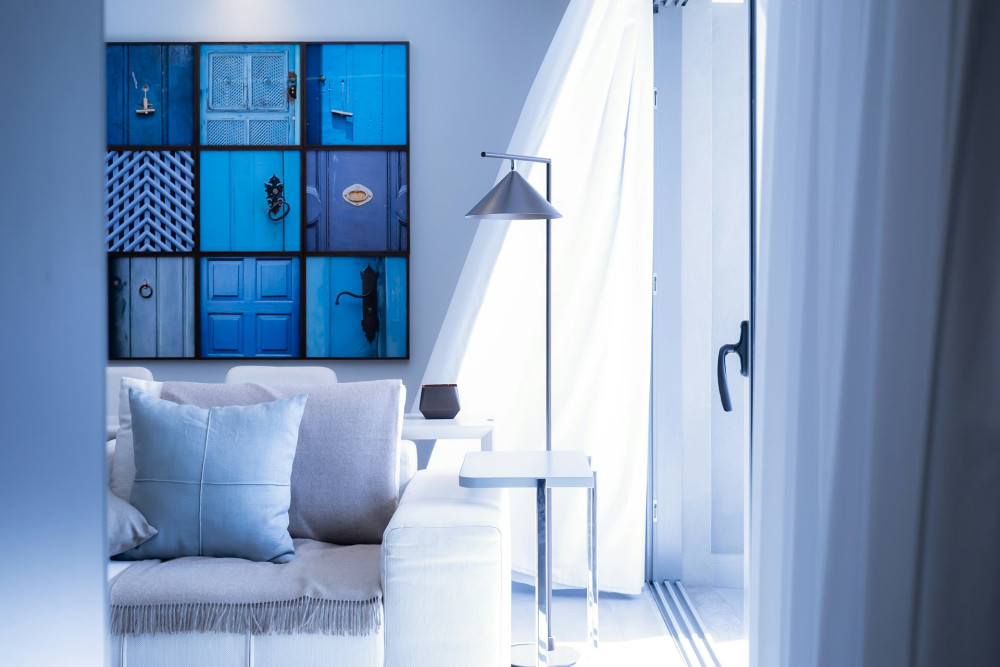
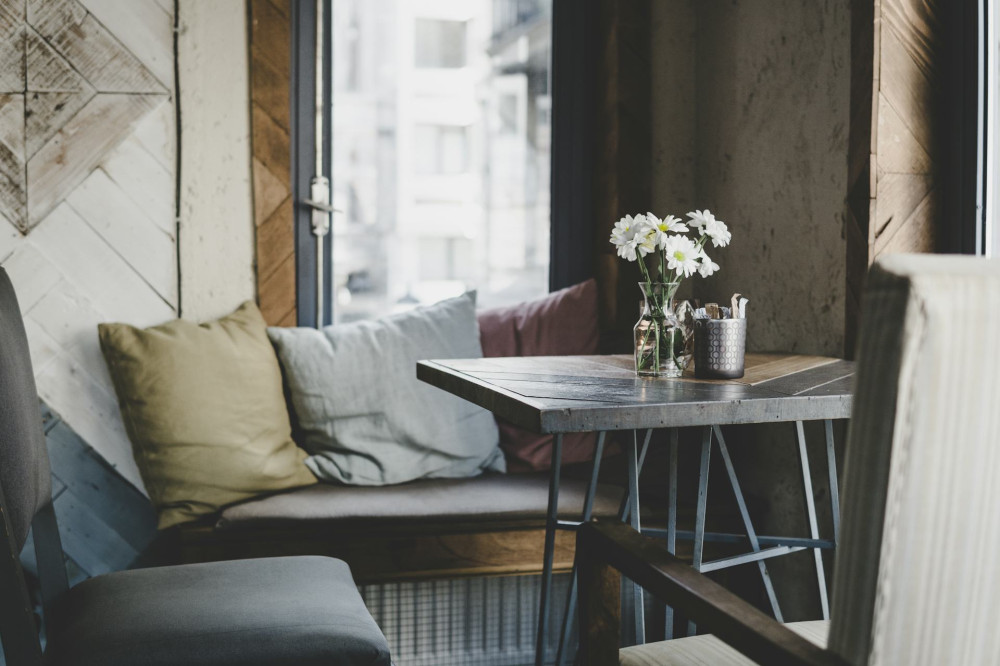
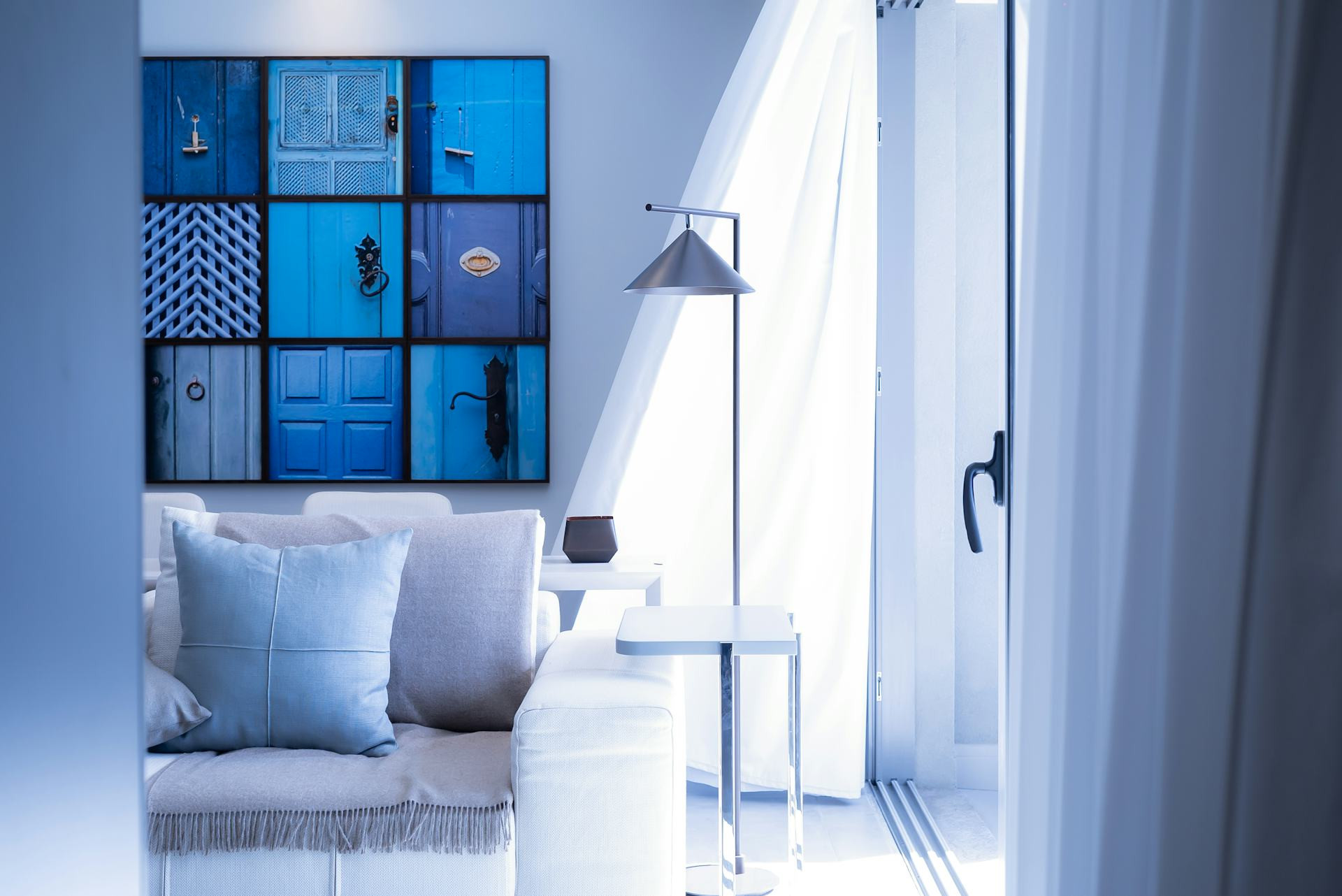
Light doesn’t just affect mood—it also changes how colors and materials appear. Warm light enhances wood tones, fabrics, and earthy colors, while cool light sharpens whites, glass, and metal surfaces. If your home features natural materials and soft textures, warm lighting will emphasize their comfort. In a modern, minimalist space with clean lines and reflective surfaces, cooler light can enhance the crisp, contemporary feel.
Finding the Right Balance
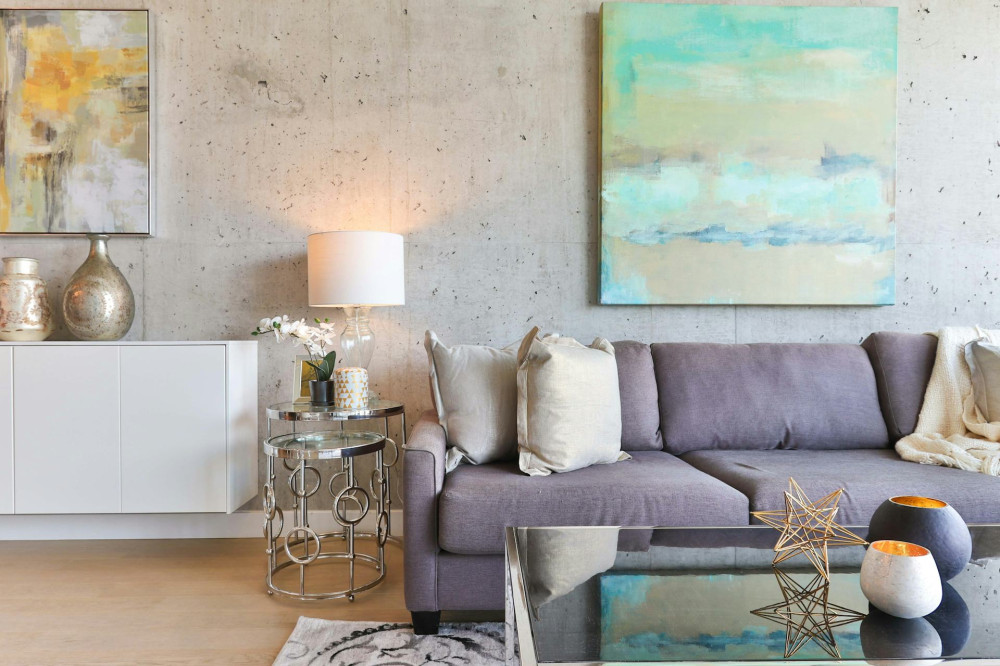
When planning your home lighting, think about how each room is used throughout the day. A kitchen might need bright, neutral light for cooking in the morning but softer light for evening gatherings. In the living room, combine floor lamps, wall sconces, and candles to create warmth and variety.
The goal isn’t to choose one type of light—it’s to create balance between function and atmosphere, between practicality and emotion.
Light as Part of Design
Lighting isn’t just something that fills a room—it’s an integral part of interior design. A striking pendant can serve as a focal point, while hidden LED strips can highlight architectural features. By considering lighting early in your design process, you can create spaces that not only look beautiful but also feel right to live in.
Læs også:


A Home in the Right Light
The right lighting can completely transform a room. It can bring colors to life, create calm, or inspire energy. By understanding how color temperature and brightness work together, you gain the ability to shape the mood of your home—exactly the way you want it.
Læs også: