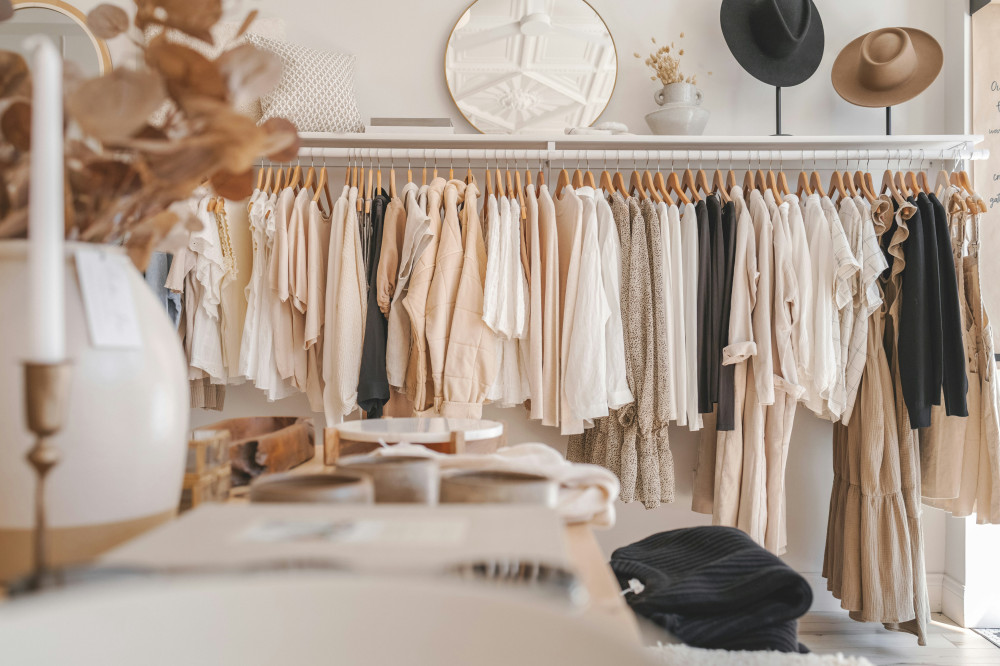
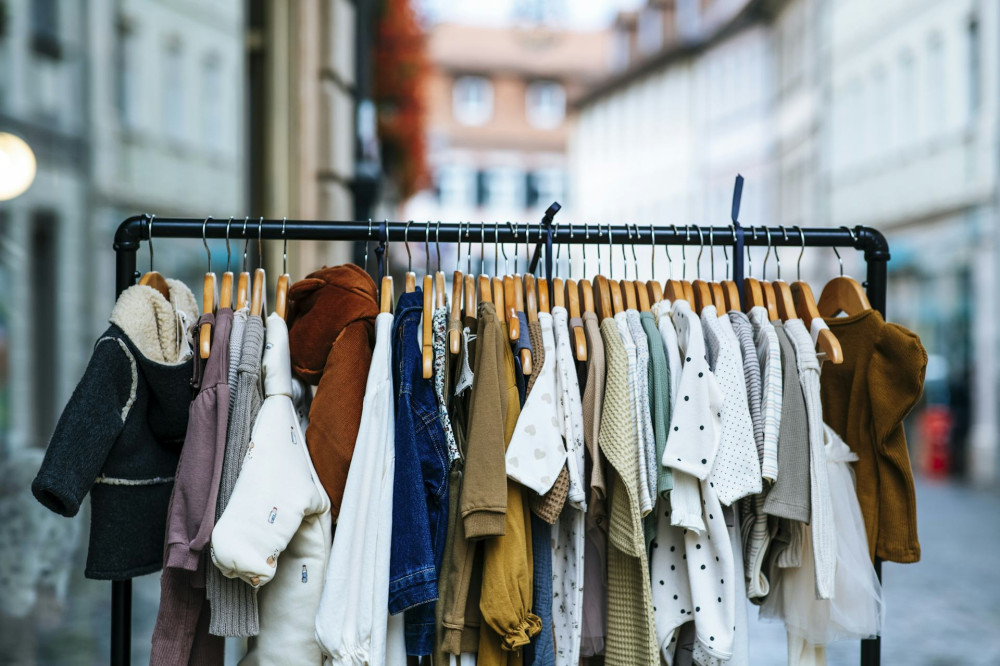
Refresh Your Wardrobe with Thrifting, Swapping, and Reselling


Refresh Your Wardrobe with Thrifting, Swapping, and Reselling
The fashion industry is one of the biggest contributors to global waste and carbon emissions. In the U.S., millions of tons of clothing end up in landfills every year, even though much of it is still wearable. But there are simple, sustainable ways to give your wardrobe a fresh start without feeding into fast fashion. Thrifting, clothing swaps, and reselling are three great ways to extend the life of your clothes, save money, and rediscover your personal style.
Thrifting: A Treasure Hunt with Purpose
Thrifting has gone from niche hobby to mainstream movement. Across the country, thrift stores, consignment shops, and online resale platforms are filled with quality pieces at affordable prices. Whether you’re hunting for vintage denim, designer finds, or everyday basics, thrifting offers endless possibilities.
Buying secondhand helps reduce the demand for new production, saving water, energy, and raw materials. It’s also a chance to find unique items that make your wardrobe stand out from the crowd. Instead of chasing trends, you can build a style that feels authentic and timeless.
When thrifting, keep an open mind. Look for well-made fabrics, classic cuts, and versatile pieces that can be styled in multiple ways. And remember, many thrift stores support local charities—so your purchase can do good beyond your closet.
Clothing Swaps: Share Style, Not Waste
Clothing swaps are a fun, social, and sustainable way to refresh your wardrobe without spending a dime. The idea is simple: bring clothes you no longer wear and exchange them for items others bring. Swaps can happen at community events, workplaces, schools, or even among friends.
The beauty of swapping is that everyone wins—your old clothes find new homes, and you get to experiment with new looks guilt-free. It’s also a great way to connect with others who care about sustainability and style.
If you’re hosting a swap, set a few easy guidelines: all items should be clean and in good condition, and it helps to organize by category—tops, pants, dresses, accessories—so everyone can browse easily. Add some music and snacks, and you’ve got a feel-good event that’s good for the planet too.
Reselling: Turn Clothes into Cash
If you have brand-name pieces or items in excellent condition, reselling can be both rewarding and profitable. Online marketplaces and apps like Poshmark, Depop, and eBay make it easy to sell directly to other fashion lovers. Many people find that reselling helps them declutter while funding future wardrobe upgrades.
By reselling, you’re keeping clothes in circulation and supporting a more circular economy. You also gain a better sense of what you truly value in your wardrobe—quality over quantity.
To make your listings stand out, take clear, well-lit photos, write honest descriptions, and set fair prices. Presentation matters: neatly folded or styled clothing sells faster than wrinkled or poorly displayed items.
Keep Your Closet Organized
Whether you’re thrifting, swapping, or selling, it helps to know what you already own. A well-organized closet makes it easier to mix and match outfits and reduces the urge to buy more than you need.
Try sorting your clothes by season, color, or occasion. Identify what you actually wear and what just takes up space. Some pieces might be worth repairing, tailoring, or restyling instead of replacing. The goal isn’t to have more clothes—it’s to make the most of what you have.
Læs også:


A New Way to Think About Fashion
Thrifting, swapping, and reselling aren’t just about saving money or reducing waste—they’re about rethinking our relationship with fashion. When we see our wardrobes as part of a cycle rather than a constant stream of consumption, style becomes more creative, personal, and sustainable.
Giving clothes a second life is a small act with a big impact. It’s good for the planet, good for your wallet, and good for the sense of purpose that comes from making mindful choices.
Læs også: