When Clothing Creates Comfort: Children’s Style as Expression and Support

When Clothing Creates Comfort: Children’s Style as Expression and Support
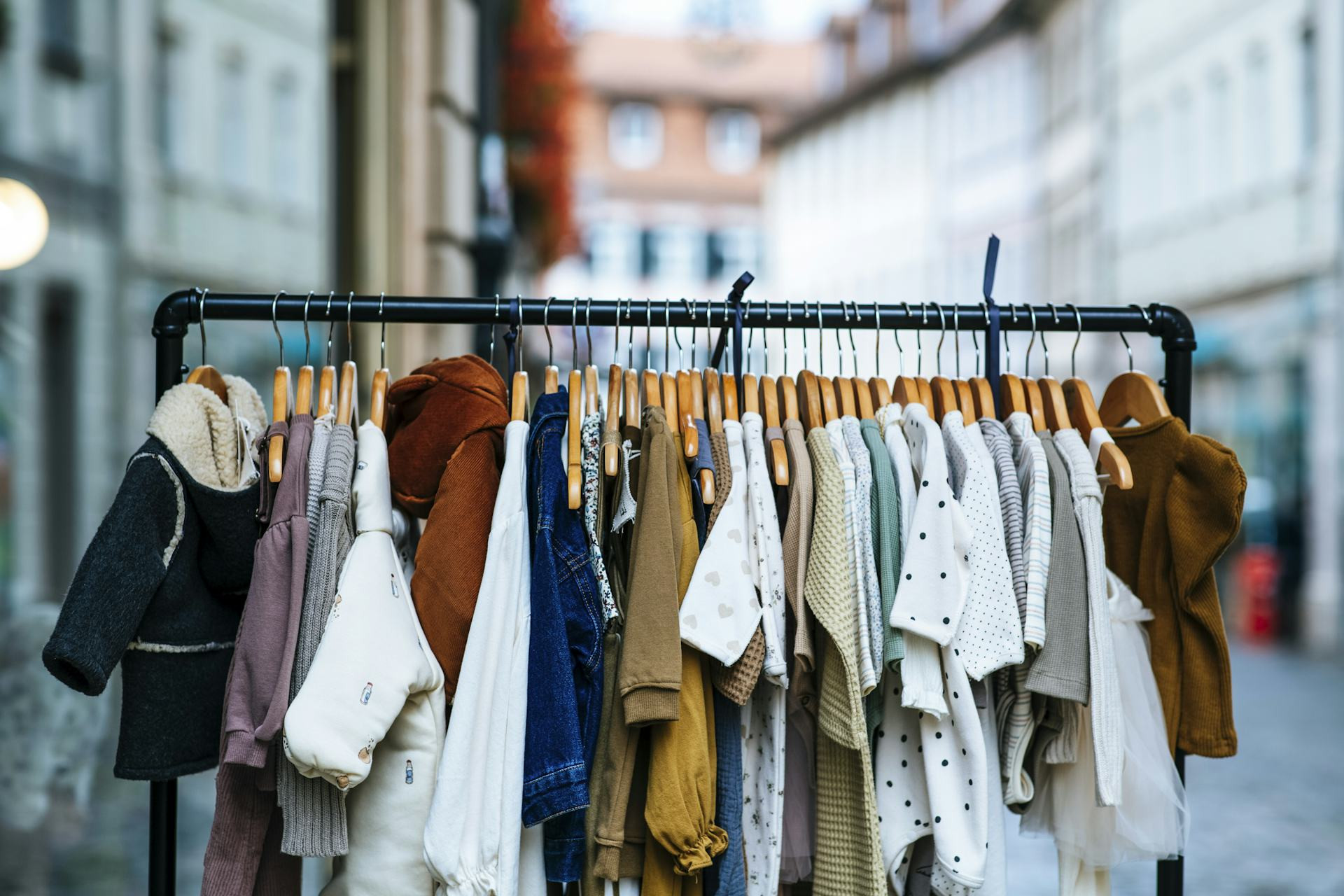
When children choose what to wear, it’s rarely just about colors, patterns, or trends. For many kids, clothing is a way to express who they are—and a source of comfort and confidence. A favorite hoodie, a pair of worn-in sneakers, or a soft T-shirt can help a child feel grounded, safe, and ready to face the day. In a world where children navigate expectations from peers, school, and social media, clothing can become a meaningful tool for self-expression and emotional support.
Clothing as a Language Without Words
Even at a young age, children use clothing to communicate. Preschoolers may insist on wearing a shirt with their favorite character, while older kids might choose outfits that reflect their interests or friend groups. It’s not always about following fashion—it’s about signaling belonging and individuality.
A child who loves bright superhero prints might be expressing confidence and energy, while another who prefers soft tones and simple designs may be seeking calm and comfort. Parents can support this process by listening to their child’s preferences and recognizing that clothing choices are part of how children tell their own stories—not just a matter of practicality.
Læs også:

Comfort in the Familiar
Many parents have experienced the morning standoff over a single favorite outfit. What may look like stubbornness often comes from a need for security. Familiar clothing can act like a “soft armor” in a world that sometimes feels unpredictable.
For children with sensory sensitivities, the texture, seams, and fit of clothing can make a big difference. Soft fabrics, tag-free designs, and flexible waistbands can help reduce discomfort and stress. Allowing children to participate in choosing what feels good on their skin can empower them and make daily routines smoother.
Belonging and the Power of the Group
As children enter school, clothing also becomes a key to social belonging. Kids notice what their peers wear, and outfits can serve as a way to connect and feel part of a group. This doesn’t mean everyone needs to look the same, but rather that clothing can act as a shared language of friendship and identity.
For parents, it can be a balancing act to support a child’s wish to “fit in” while encouraging authenticity. Open conversations about why certain brands or styles matter to the child can help. The goal is to remind them that the most important thing is feeling comfortable and confident in their own skin—and clothes.
Style as a Step Toward Independence
Letting children choose their own clothes is also a way to nurture independence. It can start with small decisions—picking a shirt for the day—and grow into a deeper awareness of how they present themselves to the world. This process builds confidence and decision-making skills.
Even if a child’s choices don’t always match a parent’s taste, giving space for experimentation can be valuable. A child who’s allowed to explore their style learns to stand by their choices and develop a sense of self that’s resilient to outside opinions.
Clothing as Support During Transitions
Life changes—starting school, moving to a new neighborhood, or joining a new activity—can be stressful for children. Clothing can offer stability during these transitions. A familiar outfit can bring comfort on the first day of school, while a new outfit might symbolize a fresh start. In this way, clothing helps children manage change and feel more in control.
Parents can use clothing as a gentle teaching tool: talking about “dressing for courage” or how certain colors and textures can bring calm or energy. This turns clothing into more than just fabric—it becomes part of a child’s emotional toolkit.
Looking Ahead
As children grow, their relationship with clothing evolves—from seeking comfort in the familiar to exploring identity through style. Yet the core idea remains: clothing can both express who they are and help them feel secure. By supporting children’s awareness of how what they wear affects their well-being, parents can help them develop a healthy, personal sense of style—one that blends comfort, creativity, and confidence.
Læs også: