Cuts of Meat Explained – Choose the Right One for Your Cooking

Cuts of Meat Explained – Choose the Right One for Your Cooking
Standing at the butcher counter or browsing the meat aisle can be overwhelming. Ribeye, sirloin, tenderloin—what’s the difference, and which one should you choose? Understanding the various cuts of meat and how they’re best cooked can make all the difference in flavor, tenderness, and overall success in the kitchen. Here’s a guide to help you pick the right cut for your next meal, whether you’re grilling, roasting, or slow-cooking.
Understanding Meat – Muscles, Fat, and Texture
The characteristics of any cut depend on where it comes from on the animal. Muscles that do more work—like the shoulder or leg—tend to be tougher but more flavorful. These cuts benefit from slow, moist cooking methods that break down connective tissue. Muscles that do less work—like those along the back—are naturally tender and ideal for quick, high-heat cooking.
Fat also plays a key role. Marbling—thin streaks of fat within the muscle—adds juiciness and flavor. External fat layers can help protect the meat during cooking. So, while lean cuts may seem healthier, a bit of fat often means better taste and texture.
Beef – From Steaks to Stews
Beef offers a wide range of cuts, each suited to different cooking methods.
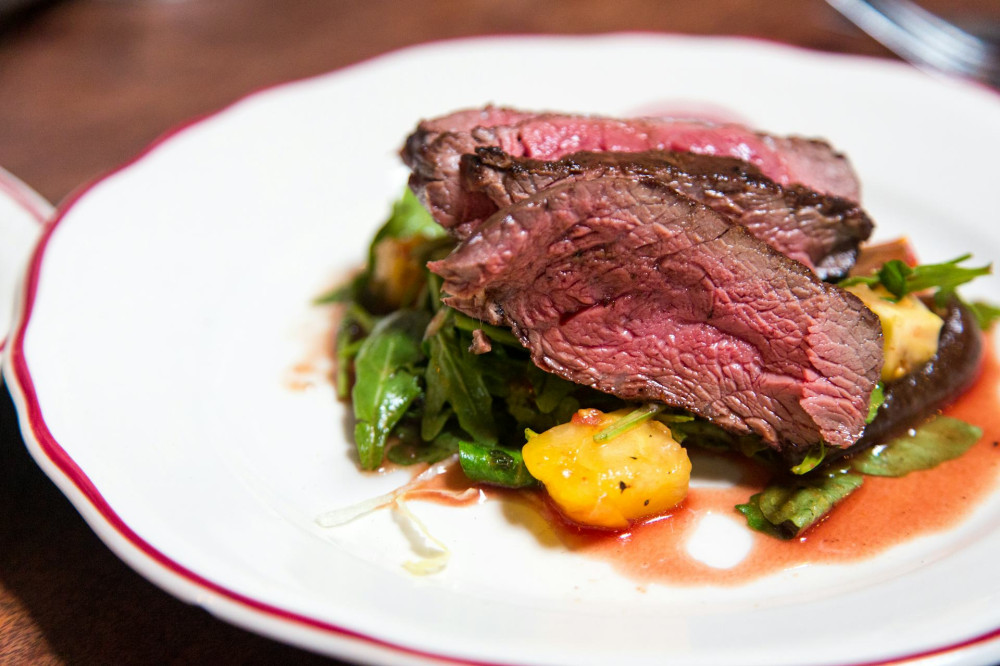
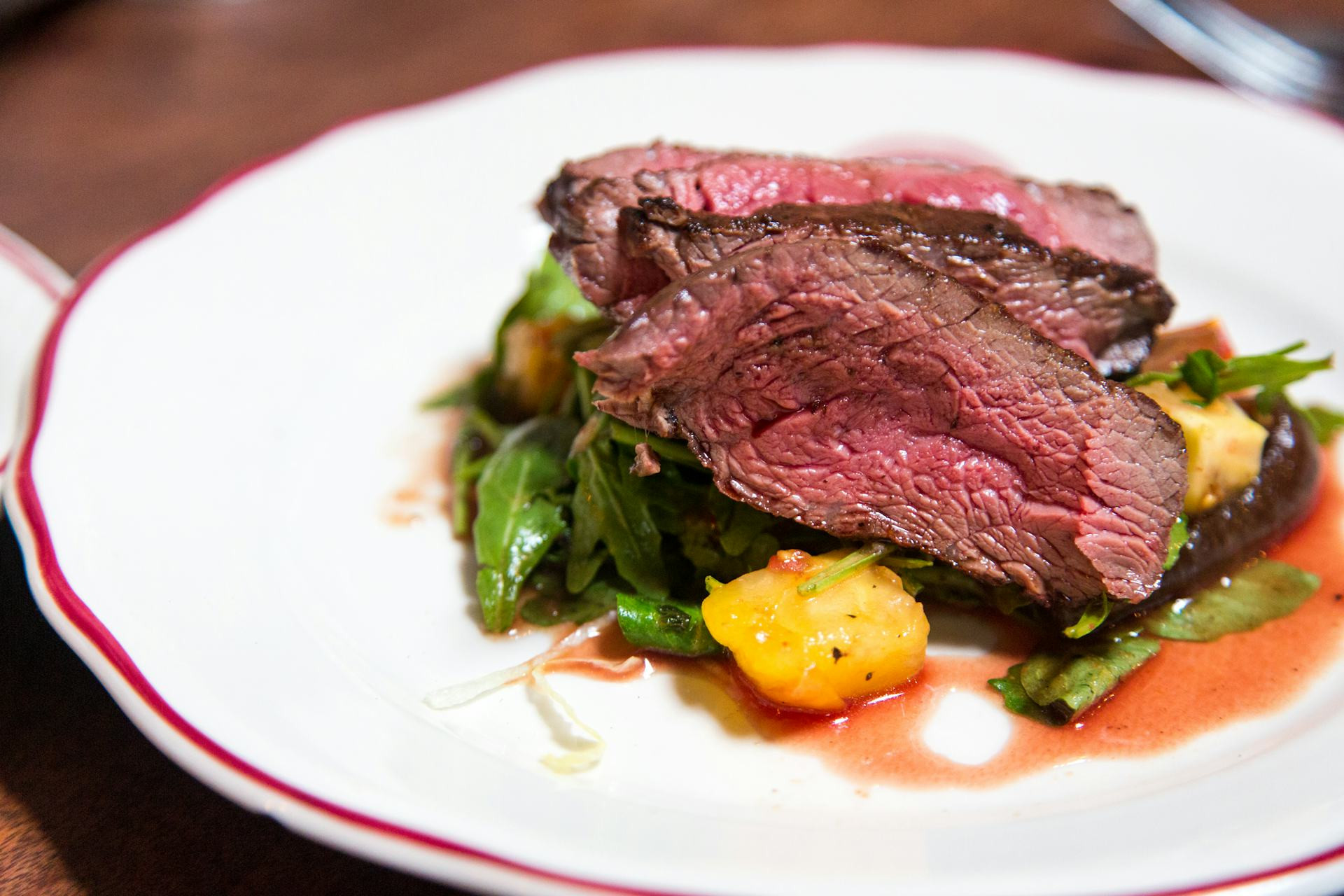
- Tenderloin and Ribeye – The most tender cuts, perfect for quick searing or grilling. Tenderloin is lean and delicate, while ribeye is rich and well-marbled for maximum flavor.
- Strip Steak and Sirloin – Great for grilling or pan-searing. They’re flavorful and moderately tender, offering a good balance between texture and taste.
- Chuck, Brisket, and Shank – Tougher, hardworking muscles full of connective tissue. Ideal for slow cooking, braising, or smoking—think pot roast or barbecue brisket.
- Round and Rump – Leaner cuts from the rear of the animal. Best roasted or sliced thin for dishes like roast beef sandwiches.
A good rule of thumb: tender cuts for quick cooking, tougher cuts for slow cooking. Time and temperature make all the difference.
Læs også:

Pork – Versatile and Flavorful
Pork is a staple in American kitchens thanks to its versatility and approachable flavor. But not all cuts are created equal.
- Pork Shoulder (Boston Butt and Picnic Roast) – Well-marbled and perfect for slow cooking or smoking. This is the go-to cut for pulled pork.
- Pork Loin and Chops – Leaner and quick to cook, but can dry out if overdone. Brining or marinating helps keep them juicy.
- Ham (Leg) – Often cured or smoked, but fresh ham can be roasted for a tender, flavorful centerpiece.
- Spare Ribs and Baby Back Ribs – Rich and fatty, ideal for low-and-slow barbecue. Baby backs are smaller and more tender, while spare ribs have deeper flavor.
- Pork Tenderloin – Extremely lean and tender, great for quick roasting or grilling.
When choosing pork, consider how much fat you want—fat equals flavor, but lean cuts can be lighter and faster to prepare.
Veal – Mild and Delicate
Veal, from younger cattle, is lighter in color and has a finer texture than beef. It’s prized for its tenderness and subtle flavor.
- Veal Cutlets and Tenderloin – Perfect for quick sautéing or grilling.
- Veal Shank – Famous for osso buco, where slow braising turns tough connective tissue into rich, silky flavor.
- Veal Breast and Shoulder – Excellent for roasting or braising, developing a deep, savory taste over time.
Veal pairs beautifully with light sauces, white wine, and fresh herbs.
Lamb – Rich and Distinctive
Lamb has a unique flavor that ranges from mild to robust, depending on the cut and fat content. The fat carries much of the flavor, so choose based on how strong you want that signature taste.
- Leg of Lamb – A classic roast, tender and juicy when cooked slowly.
- Rack and Loin Chops – Tender and ideal for grilling or pan-searing.
- Shoulder and Shank – Tougher cuts that shine when braised or slow-roasted.
- Lamb Breast – Fatty and flavorful, great for slow cooking or stuffing and roasting.
Lamb loves bold seasonings—garlic, rosemary, thyme, and lemon all complement its natural richness.
How to Choose the Right Cut
When deciding which cut to buy, ask yourself:
- How will I cook it? Quick cooking methods like grilling or pan-searing need tender cuts. Slow cooking methods like braising or smoking work best with tougher cuts.
- How much time do I have? Tender cuts cook fast; tougher cuts reward patience with deep flavor.
- What flavor and texture do I want? Fatty cuts are rich and juicy, while lean cuts are lighter and more delicate.
Don’t hesitate to ask your butcher for advice—they can suggest alternative cuts that fit your recipe, budget, and cooking style.
Quality and Sourcing Matter
Beyond the cut itself, the quality of the meat makes a big difference. Look for beef graded Choice or Prime for better marbling, or pork labeled heritage breed for richer flavor. Meat from animals raised on pasture or fed natural diets often has superior taste and texture.
And remember: let your meat rest after cooking. Resting allows juices to redistribute, ensuring every bite is tender and moist.
From Butcher to Table
Choosing the right cut of meat isn’t just about cooking—it’s about understanding the ingredient. When you know where a cut comes from and how to treat it, you’ll get the most out of every meal.
So next time you’re at the butcher counter, you can choose with confidence. With the right cut and the right technique, even a simple dish can become something extraordinary.
Læs også: