Nutritional Balance on Your Plate: How to Eat Healthy and Feel Full at the Same Time

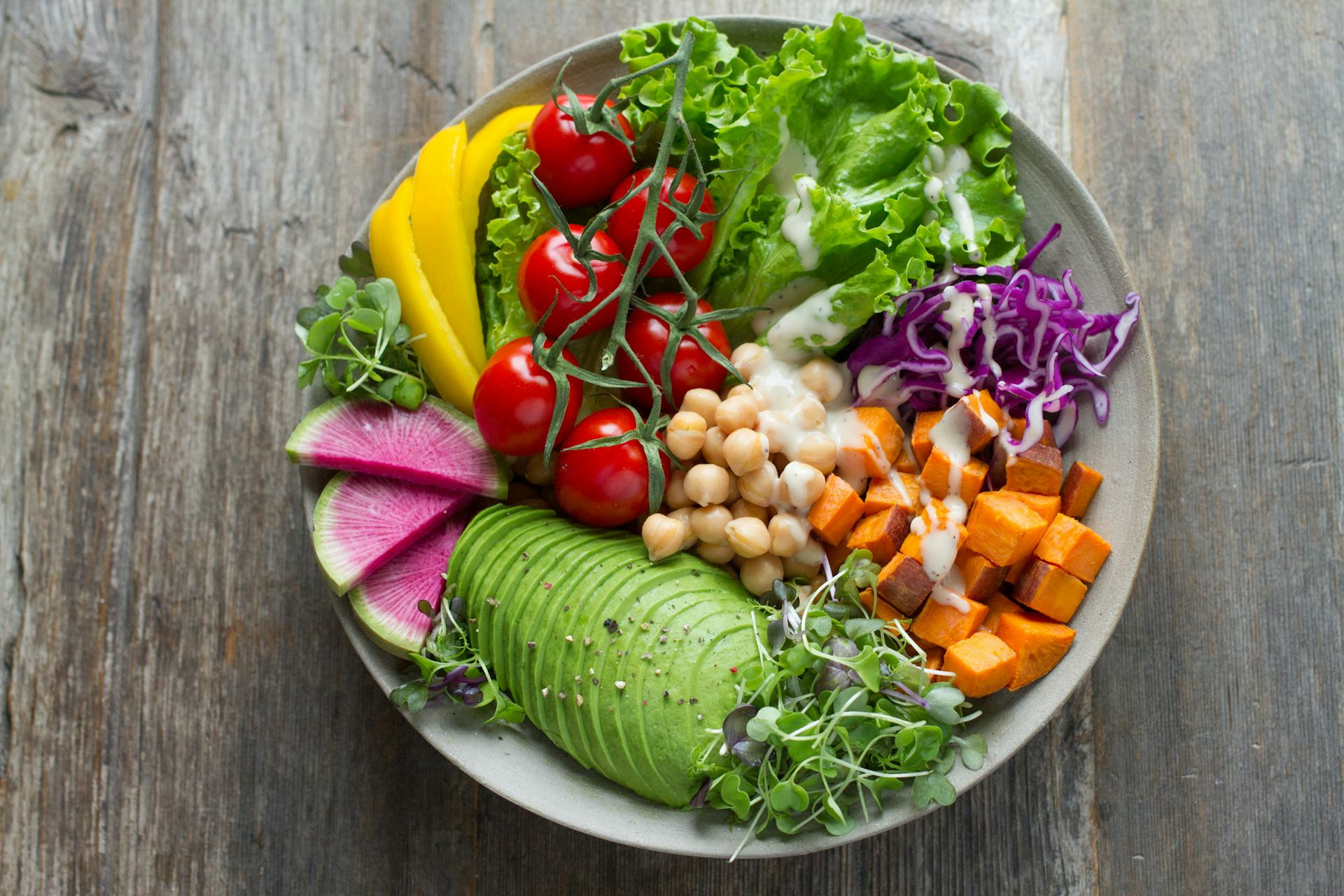
Discover how to build balanced meals that nourish your body and keep you satisfied
Taste
Taste
3 min
Learn the simple principles of creating a nutritionally balanced plate that supports your health and helps you stay full longer. From smart meal planning to embracing healthy fats, this guide shows how to eat well without feeling deprived.
Savannah Jones
Savannah
Jones

Nutritional Balance on Your Plate: How to Eat Healthy and Feel Full at the Same Time

Discover how to build balanced meals that nourish your body and keep you satisfied
Taste
Taste
3 min
Learn the simple principles of creating a nutritionally balanced plate that supports your health and helps you stay full longer. From smart meal planning to embracing healthy fats, this guide shows how to eat well without feeling deprived.
Savannah Jones
Savannah
Jones

Eating healthy isn’t about strict rules or cutting out entire food groups—it’s about balance. A well-balanced plate gives your body the nutrients it needs while keeping you satisfied and energized throughout the day. With a little planning, you can enjoy meals that are both nourishing and filling. Here’s how to build a plate that supports your health and keeps hunger at bay.

What Does Nutritional Balance Mean?

Nutritional balance means getting the right mix of carbohydrates, proteins, and fats, along with essential vitamins and minerals. When your meals are balanced, your blood sugar stays steady, your energy levels remain consistent, and you feel full longer.

A simple way to visualize a balanced meal is to divide your plate like this:

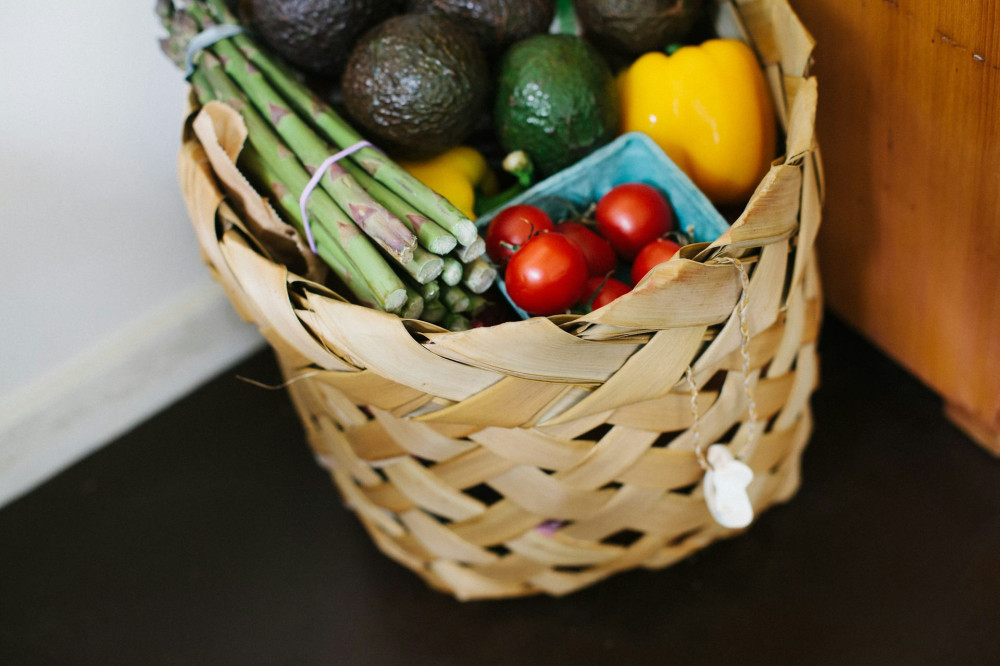
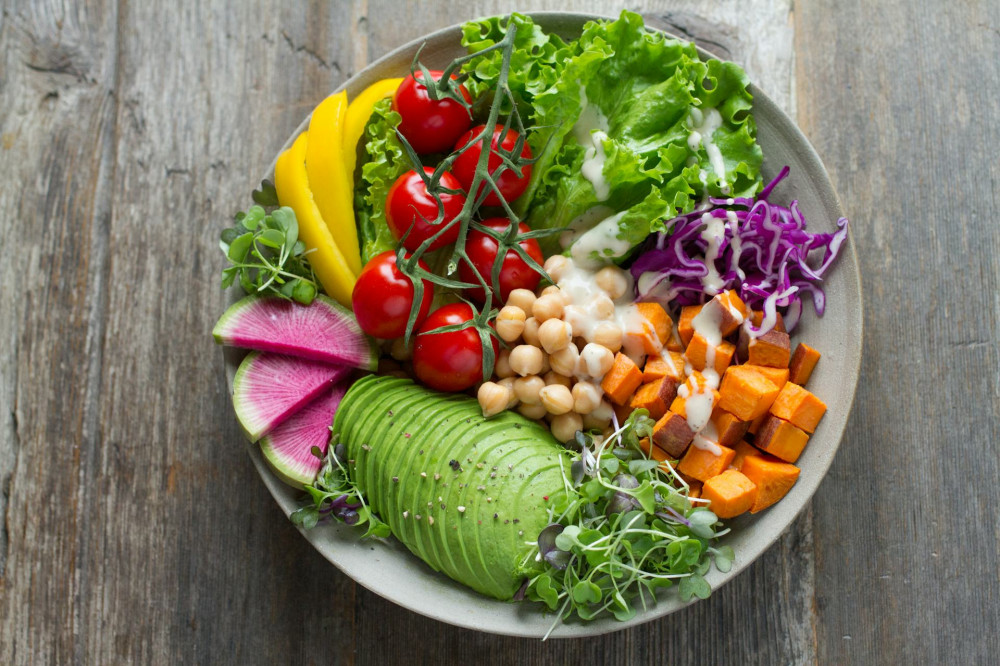
  • Vegetables and fruits – about half your plate. They provide fiber, vitamins, and volume without many calories.
  • Protein – about one-quarter. Choose lean meats, fish, eggs, beans, lentils, or plant-based alternatives.
  • Whole grains or starchy foods – about one-quarter. Think brown rice, quinoa, whole-wheat pasta, or sweet potatoes.
  • Healthy fats – a small portion, such as avocado, nuts, seeds, or olive oil.

This combination helps you get the nutrients you need while keeping you full and energized.

How to Feel Full Without Overeating

Feeling full isn’t just about how much you eat—it’s about what you eat. Foods high in fiber and protein help you stay satisfied longer than those high in refined carbs or sugar.

Try these strategies:

  • Start with vegetables. They add bulk to your meal and help control hunger.
  • Choose whole grains over refined ones. Whole grains digest more slowly, giving you lasting energy.
  • Include protein in every meal. Whether it’s chicken, salmon, tofu, or beans, protein helps curb cravings.
  • Drink water regularly. Sometimes thirst can feel like hunger.

Eating slowly and paying attention to your body’s signals also helps you recognize when you’re truly full.

Plan Ahead for Success

Healthy eating is easier when you plan ahead. You don’t need a rigid meal plan, but having a general idea of what you’ll eat can make a big difference.

  • Prep meals or ingredients in advance. Cook grains, chop vegetables, or pack lunches for busy days.
  • Keep healthy snacks on hand. Nuts, fruit, or yogurt can help you avoid less nutritious options.
  • Add variety. Different colors and types of produce provide a wider range of nutrients and keep meals interesting.

When healthy choices are convenient, it’s easier to stick with them.

Don’t Fear Fat

Fat often gets a bad reputation, but your body needs it—especially unsaturated fats found in foods like fish, nuts, seeds, and plant oils. These fats support brain function, hormone balance, and the absorption of fat-soluble vitamins.

Focus on quality over quantity:

  • Use olive or avocado oil instead of butter.
  • Eat fatty fish like salmon or trout a couple of times a week.
  • Add a handful of nuts or a few slices of avocado to your meals.

Limit highly processed foods that contain trans fats or excessive saturated fats, as they can negatively affect heart health.

Make Mealtime Enjoyable

Healthy eating should be something you look forward to, not a chore. When you enjoy your food, you’re more likely to eat mindfully and feel satisfied. Set the table, turn off distractions, and take time to savor your meal. This not only improves digestion but also helps you tune in to your body’s hunger cues.

Experiment with flavors and textures—try roasted vegetables with a creamy dressing, or mix fresh herbs into your grains. Variety keeps your meals exciting and helps you maintain healthy habits long-term.

A Balanced Plate, Every Day

Eating healthy and feeling full isn’t about perfection—it’s about balance. When you build your meals with intention, you’ll have more energy, better focus, and a greater sense of well-being. Start with small changes: add more vegetables, choose whole grains, and cut back on added sugars. Over time, these habits will become second nature.

Good health doesn’t start with restriction—it starts with what’s on your plate.

Your Own Cookbook: How to Collect Everyday Recipes That Work
Turn your favorite everyday dishes into a personal recipe collection that truly works for you
Taste
Taste
Cooking
Recipes
Home Cooking
Kitchen Organization
Food Inspiration
7 min
Discover how to create your own cookbook filled with recipes you actually use and love. From choosing the right format to organizing and personalizing your collection, learn how to build a kitchen companion that fits your taste and lifestyle.
Logan Richards
Logan
Richards
Create Your Own Food Culture at Home with Signature Dishes and Rituals
Turn everyday meals into meaningful moments with your own culinary traditions
Taste
Taste
Food Culture
Home Cooking
Family Traditions
Mealtime Rituals
Lifestyle
5 min
Discover how to build a personal food culture at home through signature dishes and simple rituals that bring people together. Learn how shared meals can strengthen connections, create lasting memories, and add joy to daily life.
Payton Fisher
Payton
Fisher
Cuts of Meat Explained – Choose the Right One for Your Cooking
Learn how different cuts of meat affect flavor, tenderness, and cooking results
Taste
Taste
Meat Cuts
Cooking Tips
Beef
Pork
Food Guide
7 min
Discover the secrets behind beef, pork, veal, and lamb cuts, and find out which ones are best for grilling, roasting, or slow-cooking. This guide helps you choose the perfect cut for every dish and make the most of your time in the kitchen.
Autumn Delgado
Autumn
Delgado
Nutritional Balance on Your Plate: How to Eat Healthy and Feel Full at the Same Time
Discover how to build balanced meals that nourish your body and keep you satisfied
Taste
Taste
Healthy Eating
Nutrition
Balanced Diet
Wellness
Meal Planning
3 min
Learn the simple principles of creating a nutritionally balanced plate that supports your health and helps you stay full longer. From smart meal planning to embracing healthy fats, this guide shows how to eat well without feeling deprived.
Savannah Jones
Savannah
Jones
Eat Your Way to Steady Energy – Small Changes, Big Impact
Discover how simple food choices can help you stay energized all day
Everyday life
Everyday life
Nutrition
Healthy Eating
Energy
Wellness
Lifestyle
4 min
Tired of the afternoon slump? Learn how small, practical changes to your eating habits can keep your energy levels steady from morning to night. This guide shows you how to balance meals, choose the right carbs, and stay hydrated for lasting focus and vitality.
Michael Brooks
Michael
Brooks
Between Community and Alone Time: How to Find Your Personal Balance
Discover how to balance meaningful connections with the restorative power of solitude
Everyday life
Everyday life
Wellbeing
Self-Care
Mindfulness
Relationships
Personal Growth
5 min
In a world that often pushes us to stay constantly connected, it’s easy to lose touch with our own needs. This article explores how to find a healthy balance between social engagement and alone time—so you can feel energized, grounded, and true to yourself.
Logan Richards
Logan
Richards
From Inner Critic to Self-Support – Learn to Speak to Yourself with Compassion
Turn your inner critic into a compassionate ally and build a kinder relationship with yourself
Everyday life
Everyday life
Self-Compassion
Personal Growth
Mental Health
Mindfulness
Emotional Well-Being
7 min
Discover how to transform self-criticism into self-support by learning to speak to yourself with understanding and care. This article explores why the inner critic appears, how to shift your mindset, and practical ways to cultivate lasting self-compassion.
Payton Fisher
Payton
Fisher