What Does Sustainable Food Mean in Practice?

What Does Sustainable Food Mean in Practice?
The term sustainable food is everywhere these days – in grocery stores, on restaurant menus, and in political debates. But what does it actually mean when you’re deciding what to cook for dinner or what to put in your shopping cart? At its core, sustainable food is about eating in a way that respects the environment, supports people and animal welfare, and promotes health – without sacrificing flavor or enjoyment. Let’s take a closer look at what that means in everyday life.
From Farm to Table – Every Step Matters
Sustainability in food isn’t just about what ends up on your plate. It’s about the entire journey – from how crops are grown and animals are raised to how food is transported, packaged, and consumed.
A sustainable meal starts on the farm. Foods produced with care for soil health, water use, and biodiversity have a smaller environmental footprint. Practices like crop rotation, reduced pesticide use, and regenerative agriculture help maintain healthy ecosystems. Organic products can be one step toward sustainability, but local and seasonal foods also play a key role because they require less transportation and storage.
Eat Seasonally and Locally
One of the simplest ways to make your diet more sustainable is to eat with the seasons. Choosing fruits and vegetables that are in season means fresher, tastier produce that requires fewer resources to grow and transport.
In the U.S., that might mean enjoying berries, tomatoes, and sweet corn in the summer, and root vegetables, squash, and apples in the fall. Shopping at farmers markets or joining a community-supported agriculture (CSA) program helps support local farmers and reduces the distance your food travels. It’s good for the planet – and for your local economy.
Læs også:



Less Meat, More Plants
Meat production, especially beef and lamb, is one of the largest sources of greenhouse gas emissions in the food system. Cutting back on meat, even a few days a week, can make a big difference.
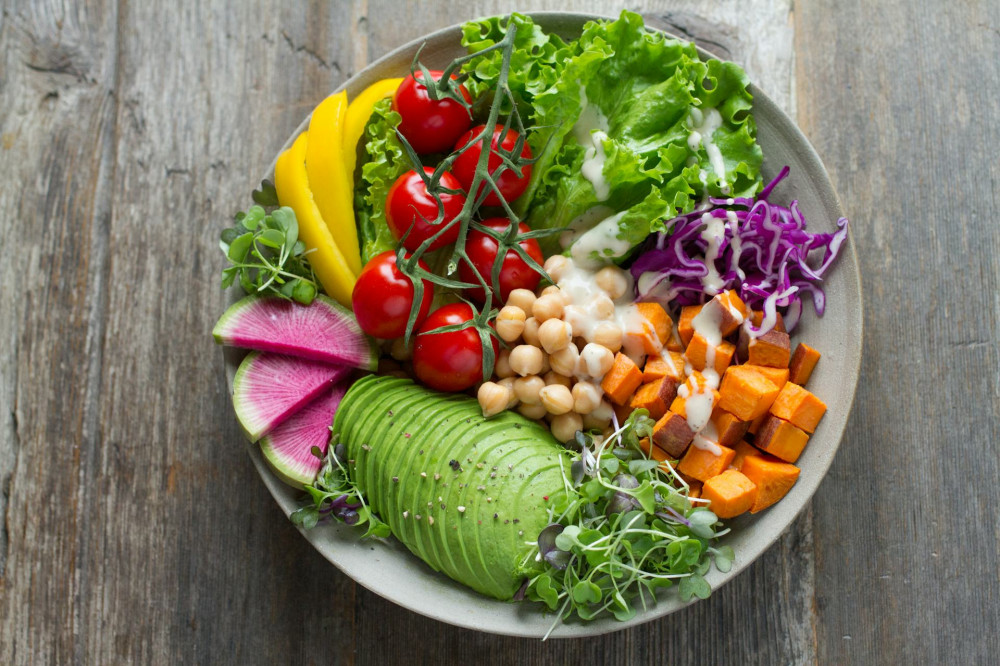
You don’t have to become vegetarian to eat sustainably. Try making vegetables, beans, and grains the stars of your meals, and use meat as a flavor accent rather than the main ingredient. A lentil chili, a veggie stir-fry, or a grain bowl with roasted vegetables can be just as satisfying – and often cheaper and healthier too.
Reduce Food Waste – Use What You Have
About one-third of all food produced globally is wasted. In the U.S., much of that waste happens in households. When food is thrown away, all the water, energy, and labor that went into producing it are wasted too.
To cut down on waste, plan your meals and buy only what you need. Get creative with leftovers – turn extra vegetables into soup, or make a frittata with what’s in your fridge. Store food properly and learn which items can be frozen for later. Small habits like these can save money and reduce your environmental impact.
Animal Welfare and Ethical Choices
Sustainability also includes how animals are treated and how workers are paid. Choosing meat, eggs, and dairy from farms that prioritize animal welfare supports more humane practices. Look for certifications such as Certified Humane, Animal Welfare Approved, or MSC for sustainably caught seafood.
Ethical eating also means considering the people behind your food. Fair Trade–certified products, for example, ensure that farmers and workers in developing countries receive fair wages and work under safe conditions.
Small Steps, Big Impact
Changing how you eat can feel overwhelming, but sustainability isn’t about perfection – it’s about progress. Start small: eat more plant-based meals, buy from local producers, or make an effort to waste less food. Over time, these small choices add up to meaningful change.
Eating sustainably is ultimately about taking responsibility – for the planet, for future generations, and for the kind of food culture we want to create and share.
Læs også: