A Roof That Lasts: How to Protect Your Home from Rain, Storms, and Heat

A Roof That Lasts: How to Protect Your Home from Rain, Storms, and Heat
A strong, well-maintained roof is one of the most important investments you can make in your home. It shields you from rain, wind, and heat while also improving your home’s energy efficiency and comfort. A roof that’s watertight, properly ventilated, and well-insulated can extend the life of your house and save you from costly repairs. Here’s how to make sure your roof stands up to the elements—whether it’s a summer heatwave or a winter storm.
Know Your Roof’s Condition
The first step toward a long-lasting roof is understanding its current state. Many roofing problems develop slowly and aren’t visible until they’ve caused damage inside your home. That’s why it’s smart to inspect your roof at least once a year—ideally in spring or fall.
Look for:
- Cracked, curled, or missing shingles – they can let water seep underneath.
- Moss or algae growth – these hold moisture and can deteriorate the surface.
- Leaky flashing around chimneys, vents, or skylights.
- Water stains on ceilings or attic rafters – a sign that moisture has already made its way in.
If you’re unsure, a professional roof inspection can help identify whether you need repairs or a full replacement.
Læs også:

Choose the Right Roofing Material
Your choice of roofing material affects durability, appearance, and maintenance needs. There’s no one-size-fits-all solution—it depends on your home’s style, your local climate, and your budget.
- Asphalt shingles are the most common in the U.S. They’re affordable, easy to install, and available in many styles, though they typically last 20–30 years.
- Metal roofing is lightweight, energy-efficient, and can last 50 years or more. It’s ideal for areas prone to heavy rain or snow.
- Clay or concrete tiles are durable and heat-resistant, making them popular in the Southwest, but they require a strong roof structure.
- Slate offers timeless beauty and exceptional longevity but comes with a higher price tag.
- Wood shakes or shingles provide a natural look but need regular maintenance and are less fire-resistant unless treated.
Consider your region’s weather patterns. Homes in coastal areas need materials that resist salt and wind, while those in humid or forested regions should prioritize moisture resistance.
Protect Against Rain and Moisture
Water is a roof’s worst enemy. Even small leaks can lead to mold, rot, and structural damage. Keep gutters and downspouts clear so rainwater can flow freely away from your home. Clogged gutters can cause water to back up under shingles or overflow near the foundation.
A high-quality underlayment is also essential. It acts as a secondary barrier if rain or snow gets past the outer layer. Choose a breathable, waterproof underlayment that allows moisture from inside the attic to escape while keeping rain out.
Storm-Proof Your Roof
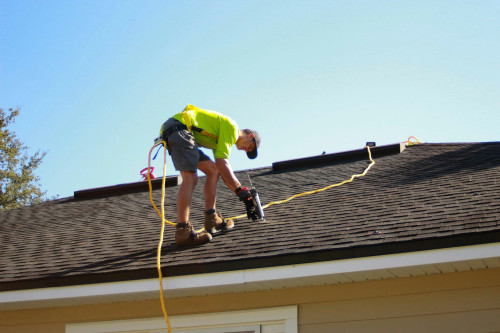
From hurricanes along the Gulf Coast to tornadoes in the Midwest, severe storms can put any roof to the test. Make sure shingles, tiles, and flashing are securely fastened. Use roofing nails or clips rated for high winds, especially along edges and ridges where gusts hit hardest.
After a major storm, inspect your roof for loose materials, dents, or missing sections. Addressing small issues right away can prevent expensive water damage later.
Keep the Heat Out—and the Comfort In
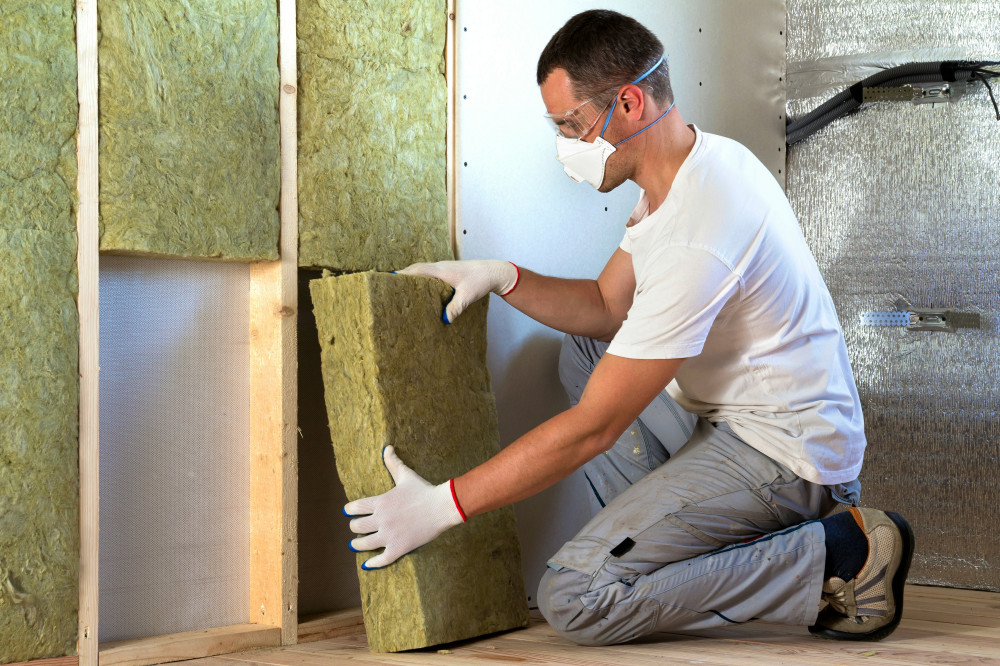
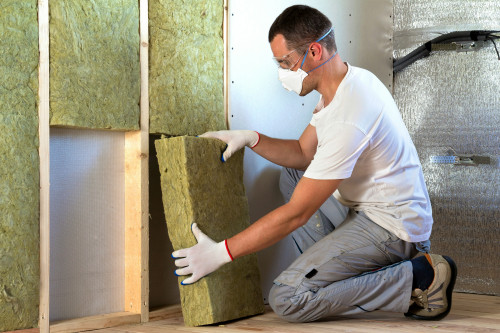
A good roof doesn’t just protect against rain and wind—it also helps regulate temperature. Insulation and ventilation are key to keeping your home comfortable year-round.
- Insulation keeps heat inside during winter and reduces energy costs.
- Ventilation prevents heat buildup in summer and reduces moisture that can lead to mold.
In hot climates, consider reflective or “cool roof” materials that deflect sunlight and lower attic temperatures. In colder regions, proper attic insulation can prevent ice dams and heat loss.
Maintenance: The Secret to a Long-Lasting Roof
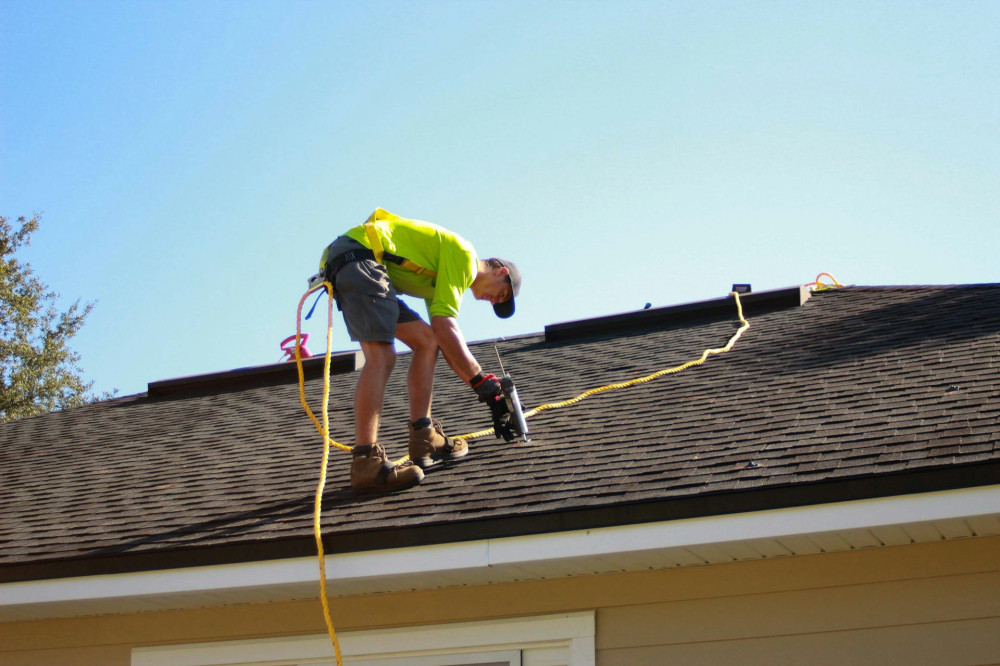
Even the best roof needs regular care. Schedule an annual inspection, clean your gutters, and remove debris or moss buildup. Avoid using high-pressure washers, which can damage shingles or protective coatings.
Check flashing, vents, and wooden trim for signs of wear. A few hours of maintenance each year can save you thousands in repairs down the road.
A Roof That Protects—and Pays Off
A healthy roof is more than just a necessity—it’s an investment in your home’s value, comfort, and safety. Knowing your roof is ready for whatever the weather brings offers peace of mind and long-term savings.
Whether you’re planning a renovation or simply want to extend the life of your current roof, the key is the same: regular maintenance, quality materials, and attention to detail. With the right care, your roof will protect your home—and your investment—for decades to come.
Læs også: