Has the Addition Increased Your Home’s Value? How to Evaluate the Results


Has the Addition Increased Your Home’s Value? How to Evaluate the Results
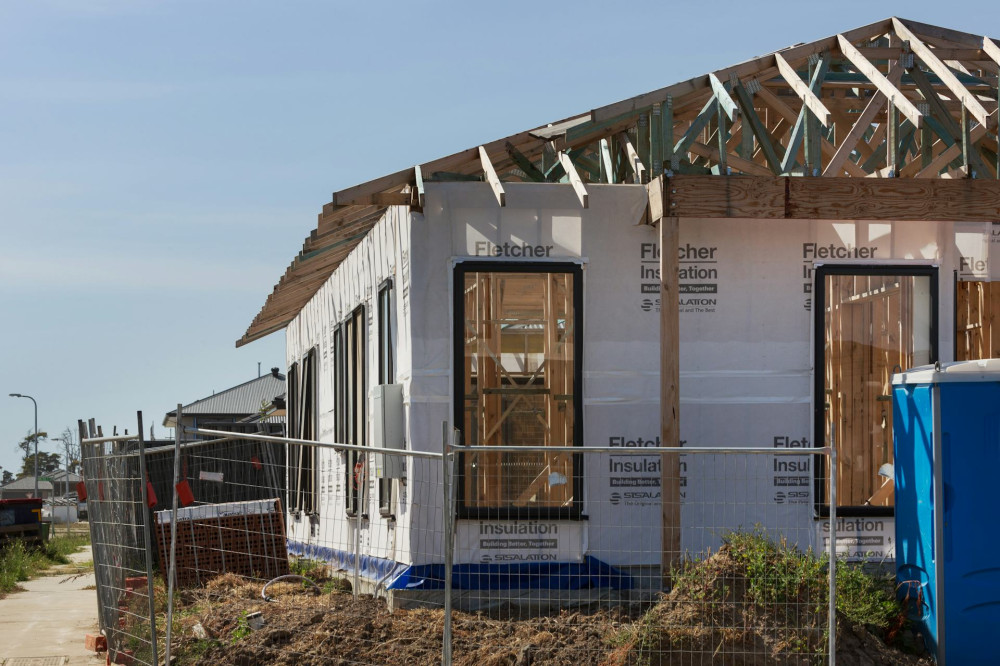
Adding on to your home is a major investment—financially, emotionally, and practically. Maybe you’ve built a new family room, expanded the kitchen, or added a guest suite. But once the dust settles, how can you tell whether the addition actually increased your home’s value? Here’s a guide to help you evaluate the results—both from a financial and a personal perspective.
Start with Your Original Goal
Before you start crunching numbers, think back to why you built the addition in the first place. Was it to create more space, improve functionality, or boost resale value? If your main goal was to enhance your quality of life, the return on investment isn’t just about dollars—it’s about comfort and convenience. But if you also had an eye on your home’s market value, there are several ways to assess the impact.
Compare with Similar Homes
One of the most practical ways to gauge value is to compare your home to others in your area. Look at:
- Homes of similar size and condition – What are they selling for?
- Properties with and without additions – How much difference do extra square feet make in your neighborhood?
- Recent sales nearby – Real estate websites like Zillow, Redfin, or Realtor.com can give you a realistic picture of current market prices.
By comparing your home to similar listings and recent sales, you can get a sense of whether your addition has moved your property into a higher price bracket.
Læs også:


Get a Professional Appraisal
While online research is helpful, a professional opinion can give you a clearer picture. A licensed appraiser or real estate agent can evaluate:
- The quality of construction and materials
- How well the addition blends with the home’s architecture
- Whether the new layout improves flow and functionality
- How the addition compares to what buyers in your area are looking for
A professional appraisal is especially useful if you’re considering refinancing or selling in the near future.
Consider the Overall Impression
An addition can either enhance or detract from your home’s appeal, depending on how it’s designed and executed. A well-integrated addition that matches the home’s style and proportions usually adds value. On the other hand, an awkward or mismatched addition can have the opposite effect.
Take a step back and look at your home as a whole. Does the roofline, siding, and window style match the original structure? Inside, does the new space feel like a natural extension of the home? Cohesion and balance often matter as much as square footage.
Energy Efficiency and Modern Upgrades
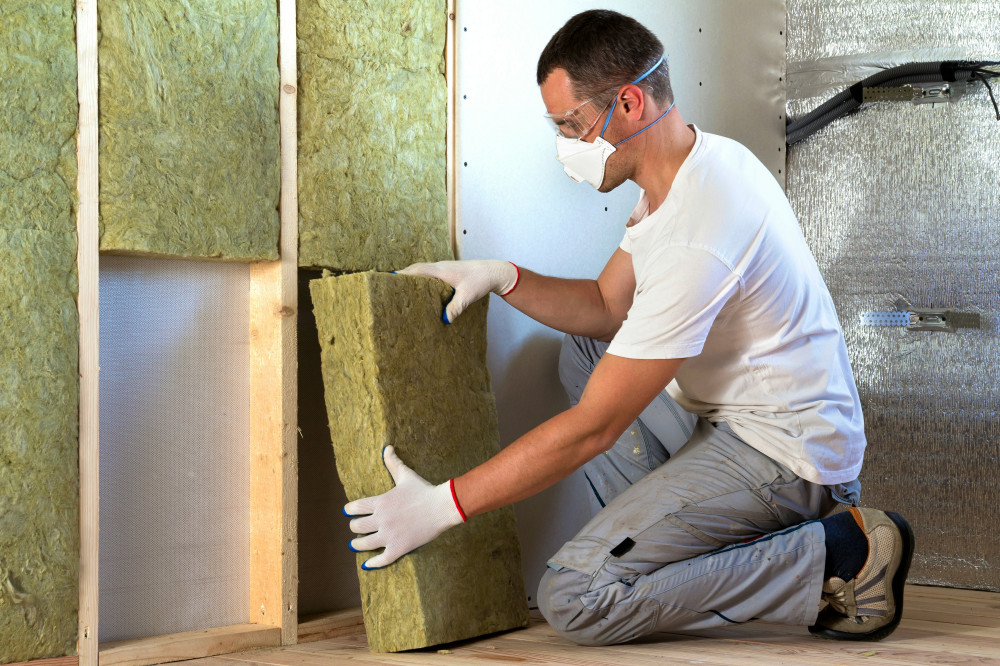
If your addition included energy-efficient improvements—like upgraded insulation, new windows, or a modern HVAC system—it could further increase your home’s value. Lower utility bills and a better energy rating make your home more attractive to buyers.
Smart home features, radiant floor heating, or updated electrical systems can also signal quality and modern living, which often translate into higher resale potential.
Check Your Updated Property Assessment
After a major addition, your local tax assessor will typically update your property record to reflect the new square footage and improvements. While this may increase your property taxes, it also provides an official indication of how your home’s value has changed. Keep in mind, though, that assessed value and market value aren’t always the same—buyers may be willing to pay more (or less) depending on demand and location.
Don’t Forget the Personal Value
While financial return is important, the personal value of your addition shouldn’t be overlooked. If the new space makes your home more comfortable, functional, or enjoyable, that’s a return in itself. Many homeowners find that the satisfaction of living in a home that truly fits their needs outweighs any modest gain—or even a neutral return—on paper.
Maximizing Long-Term Value
To ensure your addition continues to add value over time, consider:
- Keeping up with maintenance, especially on exterior finishes and roofing
- Documenting the project with permits, plans, and warranties
- Designing flexible spaces that can serve multiple purposes
- Staying informed about real estate trends in your area
By taking these steps, you’ll protect your investment and position your home well—whether you plan to stay for years or eventually sell.
Læs også: