Incorporate Water into Construction – from Water Conservation to Rainwater Management

Incorporate Water into Construction – from Water Conservation to Rainwater Management
Water is one of our most valuable resources—and one we often take for granted. In construction, water plays a role on many levels: from what we use indoors to what falls from the sky. With growing attention to sustainability, climate change, and resource scarcity, it’s more important than ever to integrate water considerations into both new construction and renovation projects. It’s not just about saving water—it’s about managing it wisely.
Everyday Water Conservation – Small Choices, Big Impact
The average American household uses more than 80 gallons of water per person each day. Much of that goes toward showers, laundry, and toilet flushing. Even small changes in fixtures and habits can make a noticeable difference.
- Water-efficient fixtures: Modern faucets and showerheads can reduce water use by up to 40% without sacrificing comfort.
- Dual-flush toilets: A simple choice that can save gallons of water every day.
- Energy-efficient water heating: Combine water savings with lower energy bills by choosing efficient systems such as heat pump water heaters or solar water heating.
When building or remodeling, it’s smart to plan for water efficiency from the start. It’s more cost-effective and easier to implement than retrofitting later.
Rainwater as a Resource – Not a Problem
Across the U.S., heavier rainfall and flash floods are becoming more common. But rainwater doesn’t have to be a challenge—it can be a valuable resource when managed properly.
Collection and Reuse
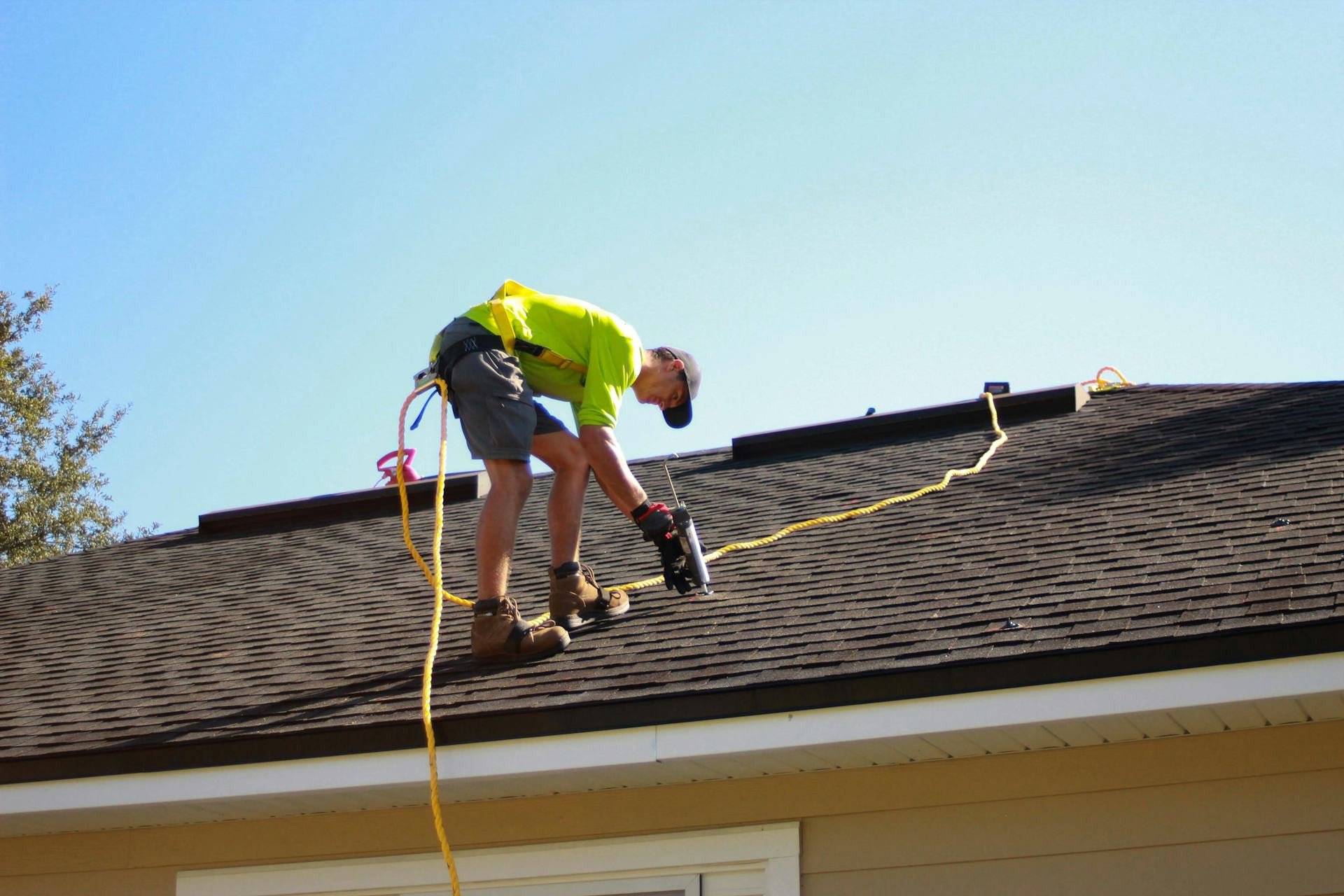
A rainwater harvesting system can collect water from rooftops and store it for non-potable uses such as toilet flushing, laundry, or landscape irrigation. This reduces both water bills and the strain on municipal stormwater systems. In some states and municipalities, homeowners can even receive rebates or tax incentives for installing rainwater collection systems.
Infiltration and Green Infrastructure
Instead of directing rainwater straight into storm drains, allow it to soak into the ground through permeable pavements, rain gardens, or infiltration trenches. This approach helps recharge groundwater and reduces flooding. Green roofs and vegetated swales can also improve biodiversity, reduce heat buildup, and enhance the building’s surroundings.
Plan from the Start – Integrate Water into Design
Incorporating water into construction isn’t just about technology—it’s about thoughtful design and planning. Architects, builders, and homeowners can benefit from viewing water as part of the overall system—both functionally and aesthetically.
- Design grading and drainage carefully, so rainwater flows away from the building and can be reused in the landscape.
- Choose materials that tolerate moisture and support natural evaporation.
- Integrate green features such as rooftop gardens, rain gardens, and decorative water channels that are both beautiful and functional.
When water is considered from the beginning, the solutions are more harmonious, durable, and often more cost-effective in the long run.
Læs også:
Building for the Future Requires Holistic Thinking
Climate change means we must prepare for both droughts and heavy rainfall. Future-ready construction must adapt to both extremes. That requires a holistic approach—seeing water as a circular resource that moves through buildings and landscapes in a balanced cycle.
By combining water-saving fixtures, rainwater harvesting, and green infrastructure, we can create buildings that not only use less water but also contribute positively to their environment. It’s good for the planet—and for the bottom line.
From Vision to Action
Incorporating water into construction isn’t just an idealistic goal—it’s practical common sense. The technologies and design strategies already exist, and many can be implemented affordably. It’s about making conscious choices—from the smallest bathroom fixture to the overall site design.
When we plan with water in mind, we’re not just building for today—we’re building for the future.
Læs også: