Renovation Without Waste: How to Reuse Materials Thoughtfully

Renovation Without Waste: How to Reuse Materials Thoughtfully
Home renovation doesn’t have to mean piles of debris and endless trips to the hardware store. With a bit of planning and creativity, you can save money, reduce waste, and give old materials a second life. Thoughtful reuse not only benefits the environment but also adds character and history to your home. Here’s how to renovate with care and make the most of what you already have.
Start by Taking Stock of What You Have
Before you start tearing things down, take a close look at what can be reused or refreshed. Many materials that seem outdated or worn can be revived with a little effort.
- Hardwood floors can often be sanded and refinished instead of replaced.
- Doors and trim can be repainted or repurposed for new spaces.
- Tile and stone can be reused in smaller projects like backsplashes, garden paths, or mosaics.
- Brick and concrete can be cleaned and reused for patios or accent walls.
By reusing what’s already in your home, you’ll save on disposal costs, reduce landfill waste, and preserve the unique character of your space.
Plan Your Demolition Carefully
A sustainable renovation starts with a mindful demolition. Instead of knocking everything down at once, try selective deconstruction—removing materials piece by piece so they can be reused or recycled.
Take time to remove nails, screws, and fixtures carefully to avoid damaging wood or metal. Label and store salvaged materials in a dry place for later use. Many builders refer to this as “urban mining”—recovering valuable resources from existing structures rather than extracting new ones from the earth.
Give Old Materials a New Purpose
Reusing materials doesn’t mean you have to keep them exactly as they are. With a little imagination, you can transform old pieces into something fresh and functional.
- Reclaimed wood can become shelving, countertops, or wall paneling.
- Old windows can be turned into mirrors, picture frames, or greenhouse panels.
- Vintage bricks can add charm to a new walkway or garden wall.
- Cabinet frames can be repainted and fitted with new hardware instead of being replaced.
Mixing old and new materials creates a one-of-a-kind look that tells a story—and helps reduce your environmental footprint.
Source Reclaimed Materials Locally
If you need additional materials, look for reclaimed options in your area. Many U.S. cities have architectural salvage stores, reuse centers, and online marketplaces where you can find quality materials at a fraction of the cost.
- Habitat for Humanity ReStores sell donated building materials, fixtures, and furniture.
- Facebook Marketplace, Craigslist, and local buy-nothing groups often have free or low-cost items.
- Community recycling centers and construction salvage yards may offer reclaimed wood, doors, and hardware.
Buying locally reduces transportation emissions and supports a circular economy where materials stay in use longer.
Læs også:

Choose Sustainable New Materials
When you do need to buy new, choose materials with a lower environmental impact. Look for certifications such as FSC-certified wood, Greenguard, or Cradle to Cradle. These labels indicate that products are responsibly sourced and designed for reuse or recycling.
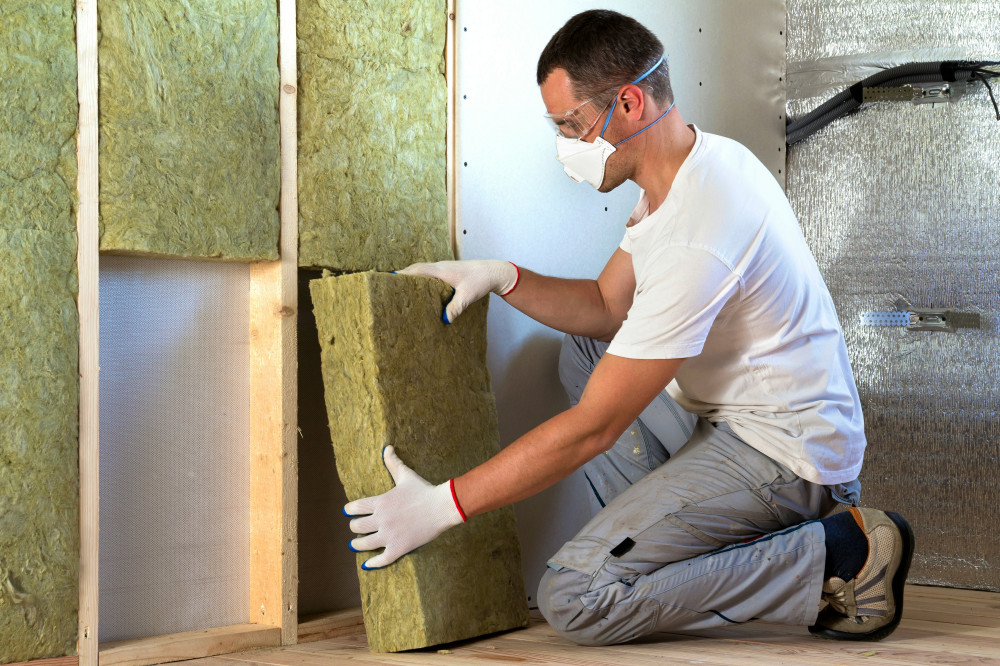
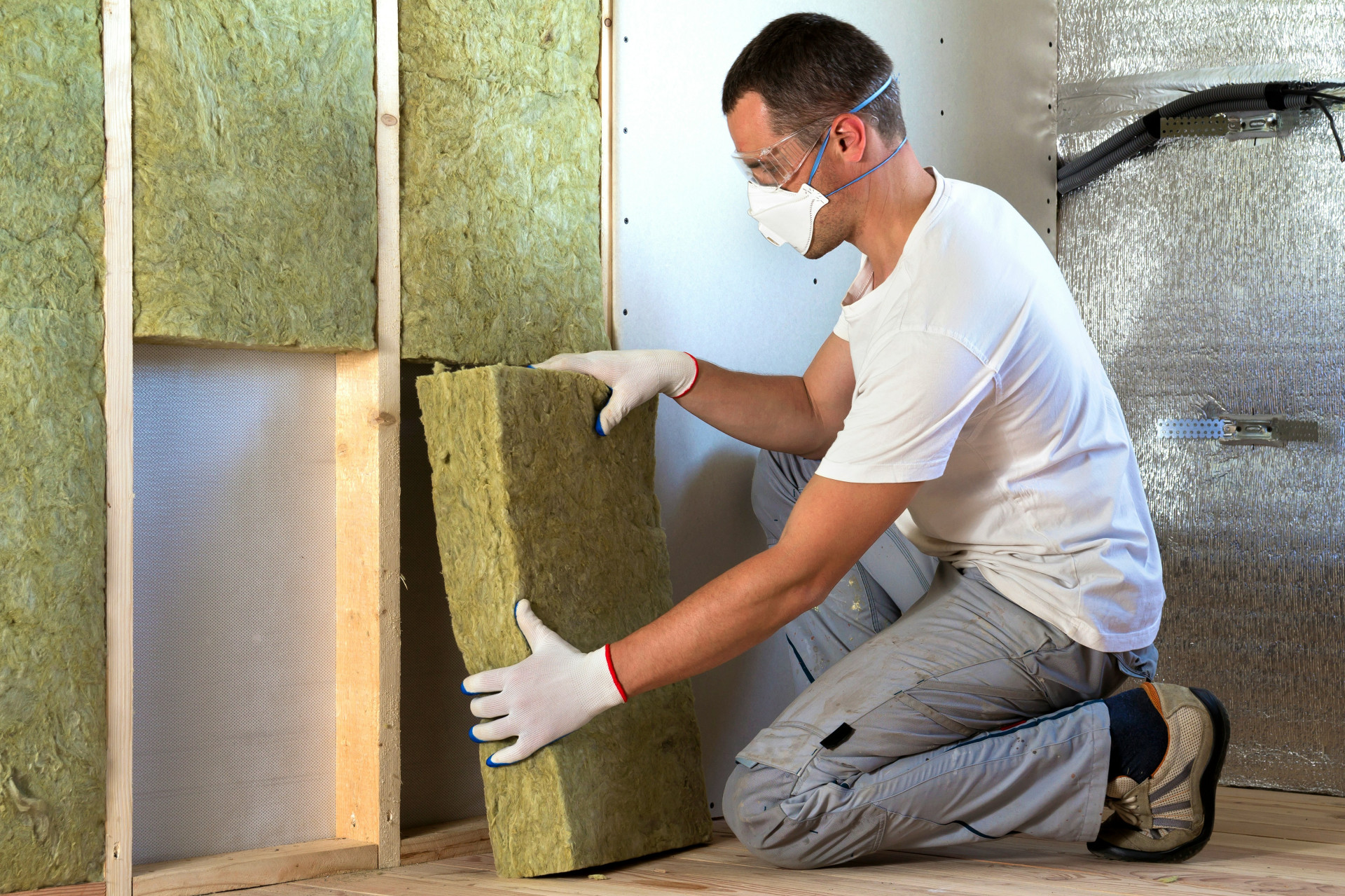
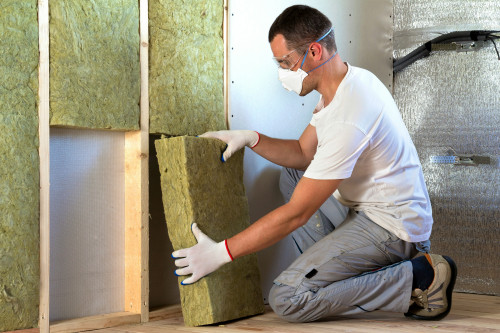
Consider natural materials like clay, lime, cork, or recycled insulation. They’re often more breathable and contribute to a healthier indoor environment. Also, think ahead—select materials that can be easily disassembled and reused in future renovations.
Sort and Dispose of Waste Responsibly
Even the most careful renovation will generate some waste. Proper sorting ensures that as much as possible can be recycled or reused. Separate wood, metal, drywall, plastic, and masonry debris before disposal. Many local waste facilities and recycling centers accept construction materials for processing.
Be sure to handle hazardous waste—like paint, adhesives, or asbestos—according to local regulations. Check your city or county’s website for guidelines on safe disposal and recycling programs for home renovators.
Thoughtful Renovation Pays Off
Renovating without waste takes a bit more planning, but the rewards are worth it. You’ll save money, reduce your environmental impact, and create a home that reflects your values and creativity. Every board, brick, and fixture has potential—sometimes it just needs a second chance.
Next time you pick up a hammer, remember: renovation isn’t just about building something new. It’s about honoring the materials and stories that already exist—and shaping a more sustainable future, one project at a time.
Læs også: